

Opinion3 minute read
Keeping unwanted heat out of the data hall
Where cooling equipment exchanges heat with its surroundings, selective insulation can help maintain the intended heat-removal path.
Read InsightInsights
Read company news, practical engineering articles and Siltherm perspectives on the thermal boundaries shaping modern industry.
Editor's selection
Where cooling equipment exchanges heat with its surroundings, selective insulation can help maintain the intended heat-removal path.
Read Insight

Browse the index

In a mixed air/liquid data hall, define the remaining air path before choosing containment and passive insulation.
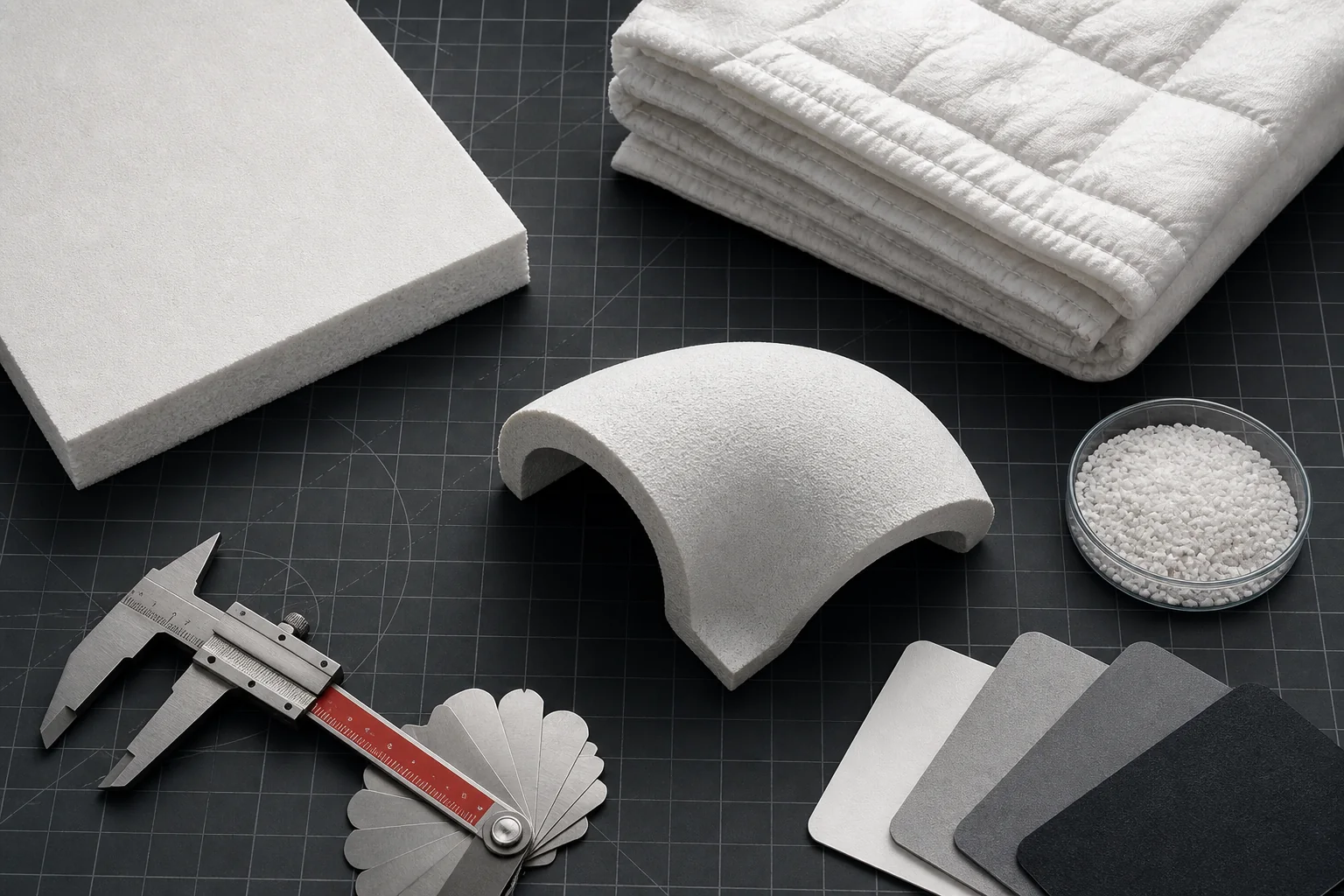
Boards, flexible formats, formed parts and granular insulation solve different installation problems even when they share a microporous foundation.
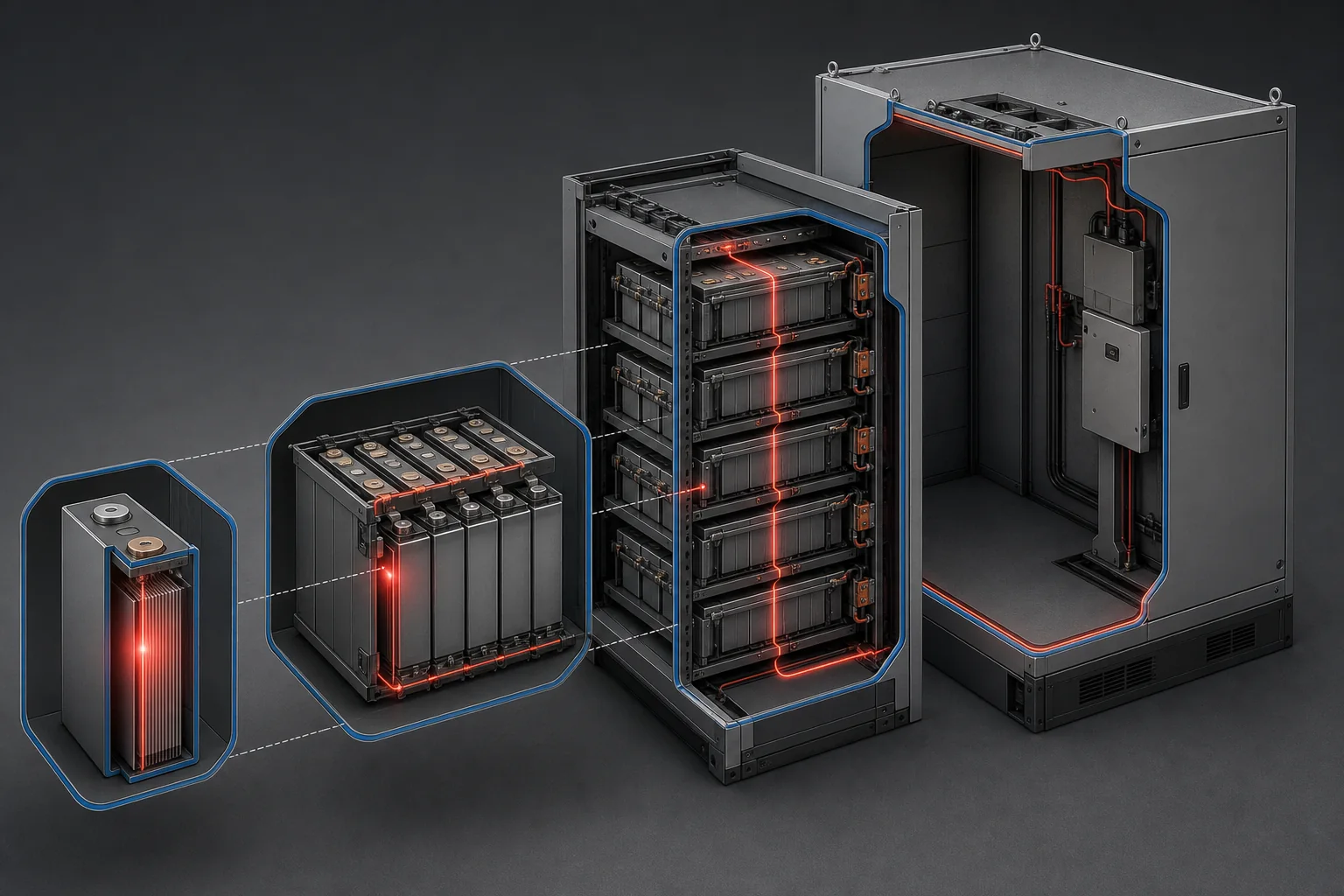
Passive barriers can limit heat transfer between battery components when their position and construction match the exposure they must withstand.
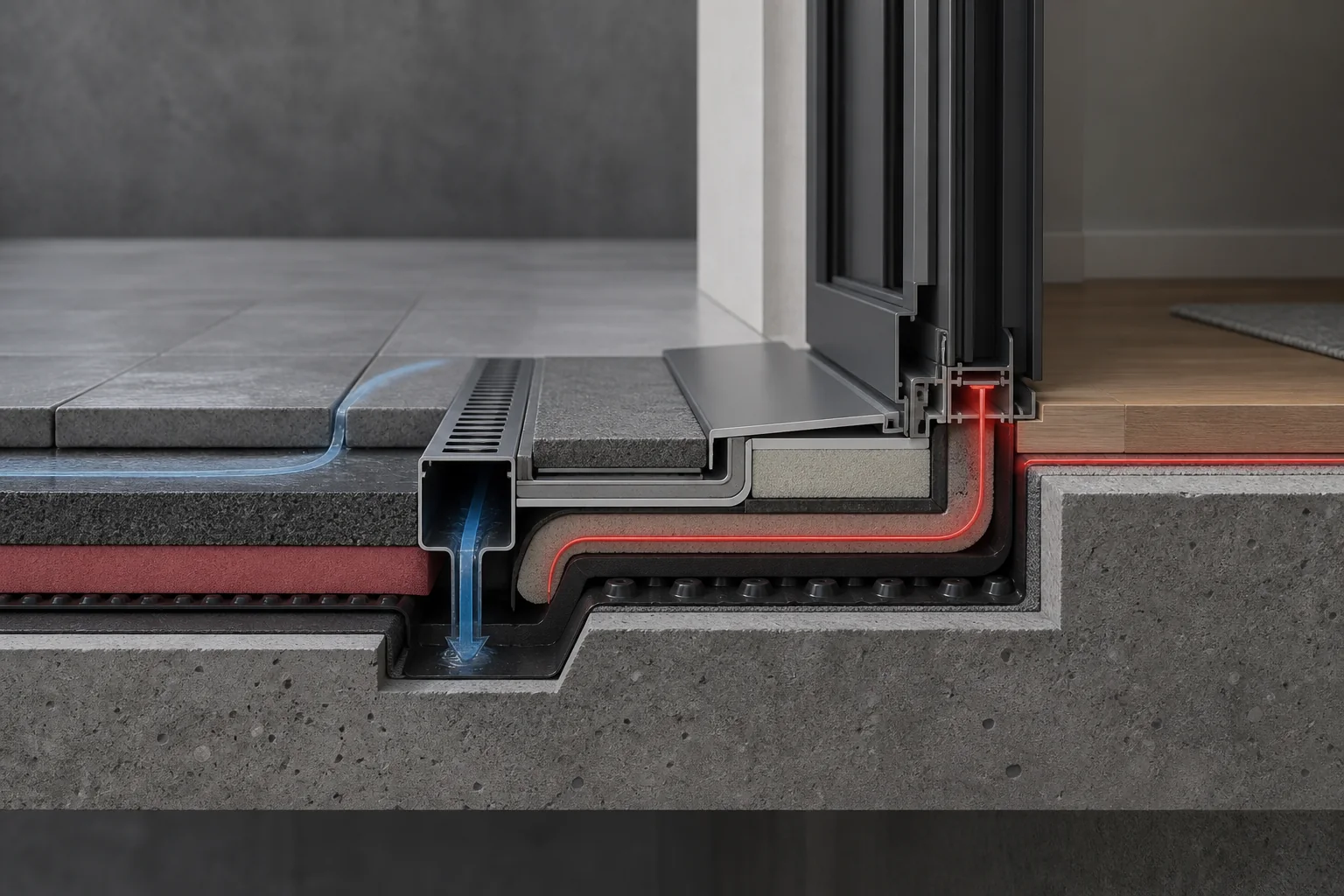
At a terrace doorway, thin insulation can ease the competition for depth between thermal protection, drainage and the finished surface.
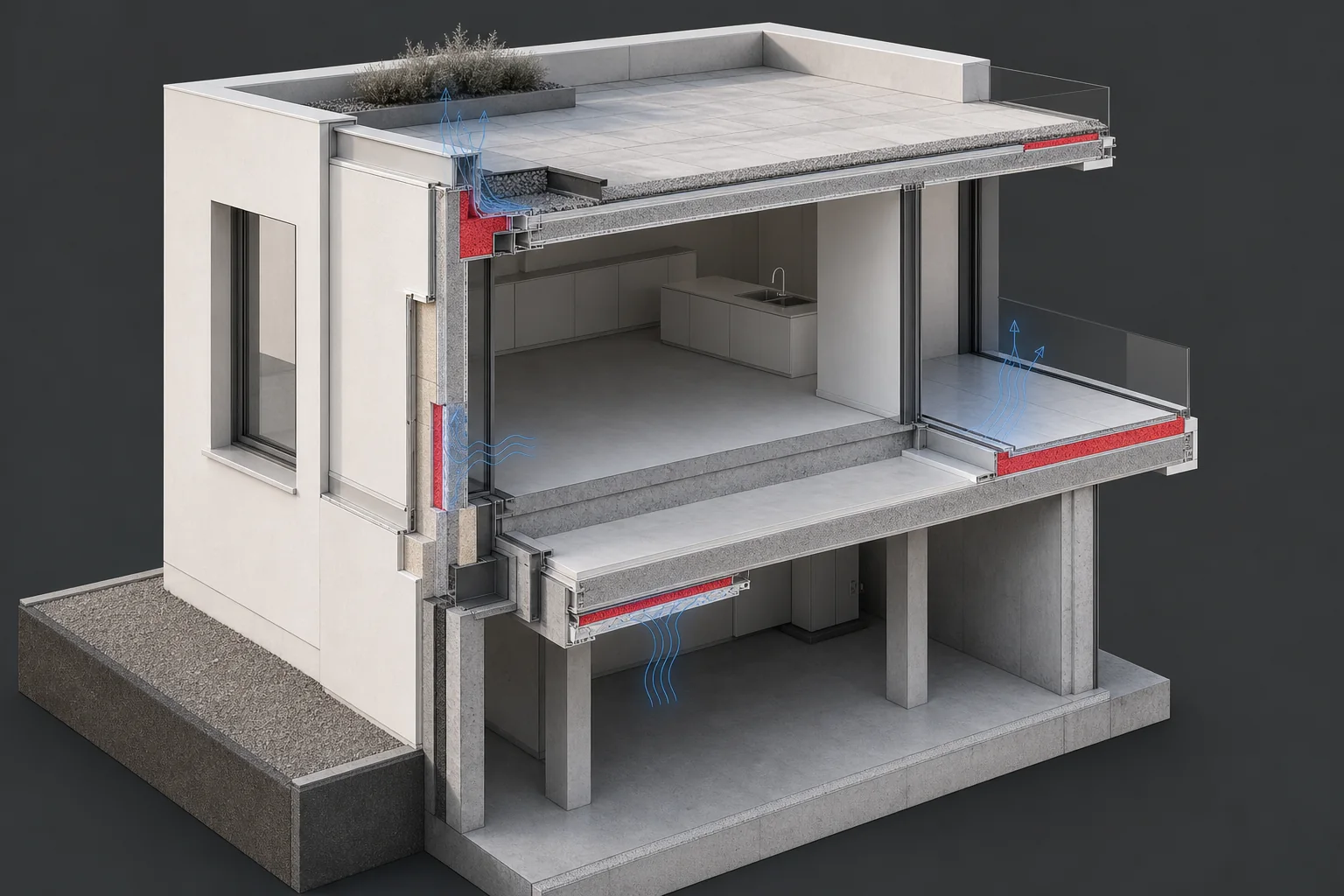
Vacuum insulation is particularly relevant where floor levels, roof junctions or usable space leave little room for a thicker build-up.
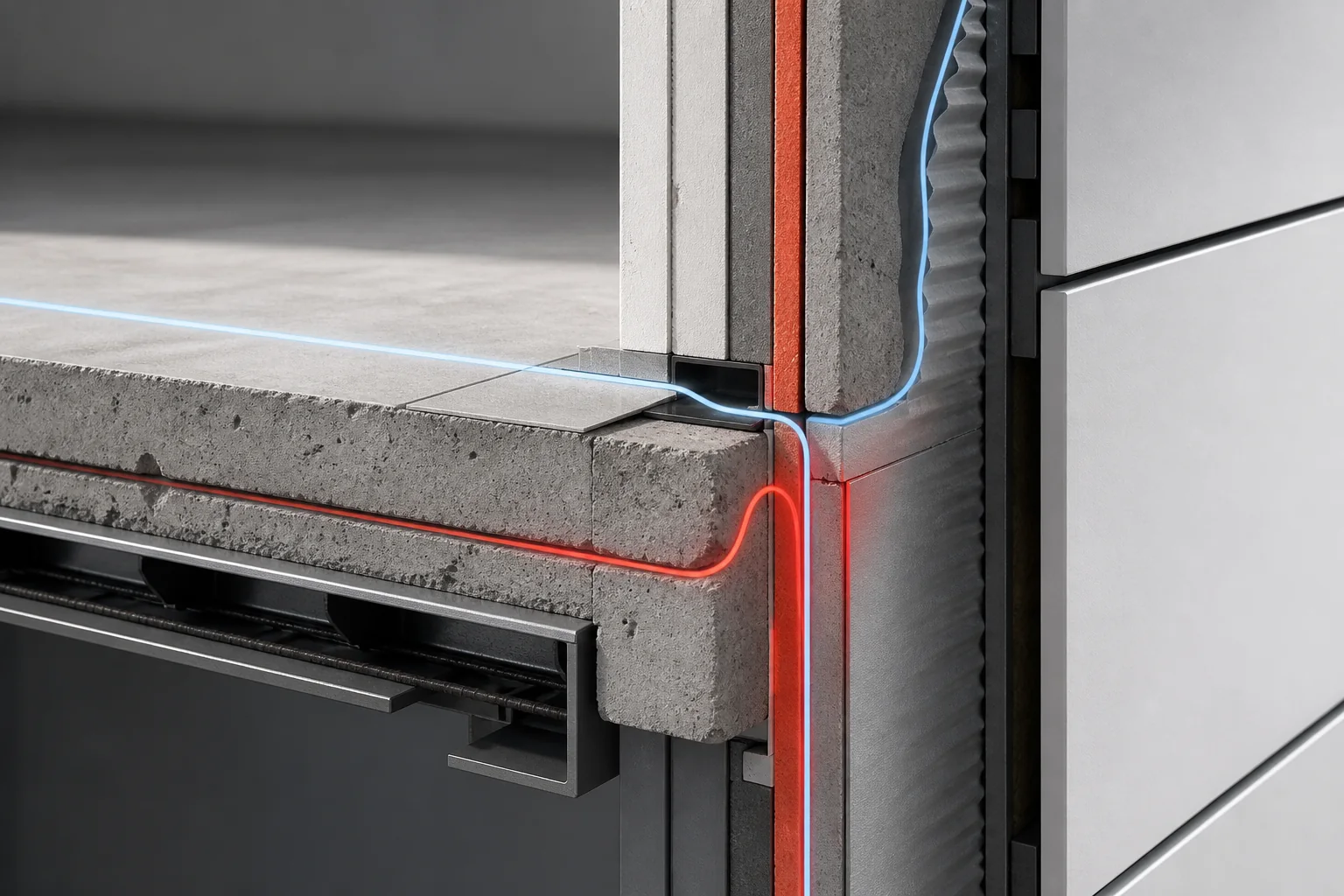
Heat flow at joints and edges explains why improving the main insulation layer may leave a building detail unresolved.
Inside a vacuum insulation panel, the core and its sealed envelope work together to reduce heat flow within a limited thickness.
Where cooling equipment exchanges heat with its surroundings, selective insulation can help maintain the intended heat-removal path.
A compact backup insulation layer can be useful in hot equipment, but its value depends on the temperatures and construction of the complete lining.

In space-constrained housing details, thin insulation can support an envelope upgrade while preserving dimensions that matter to occupants.

The silica-based core is both a thermal structure and a mechanical support, giving a vacuum panel more than an evacuated space.
Tell us the operating boundary and available space. Keep confidential design information out of the first message.