
Add resistance in the shortest heat path.
Ultra-thin barriers fit between adjacent cells while accommodating the required compression and electrical boundary.
Best suited to cell-to-cell interfacesBattery energy storage systems
Siltherm develops thin microporous barriers for the points where heat can move from one battery zone to the next.

Protection across the system
A cell gap, module frame and enclosure interface do not need the same barrier. Siltherm configures the format for the position being protected.
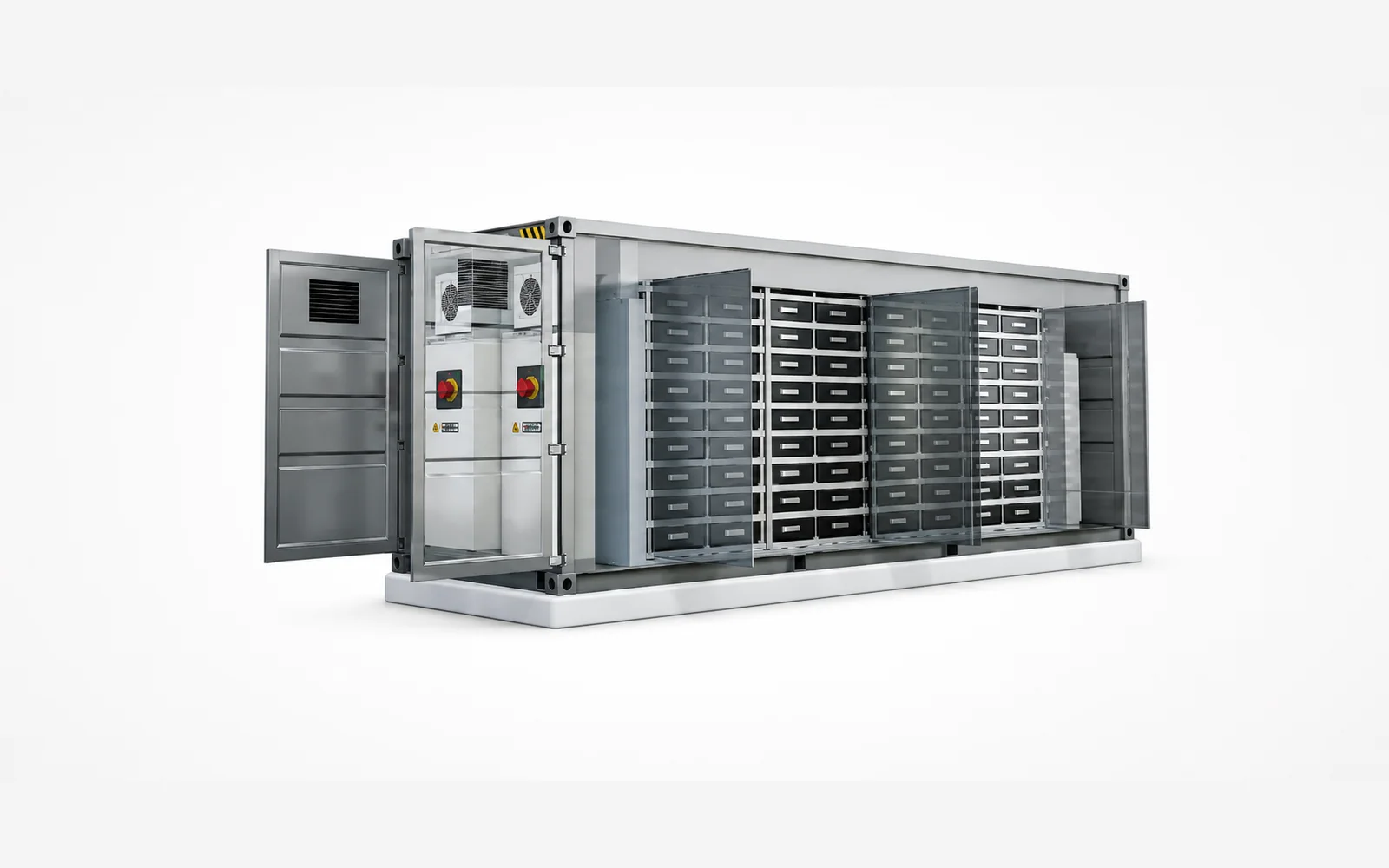 01
01Door, wall, roof and rack interfaces can each receive a format matched to their geometry and access requirements.
Review the rigid protection route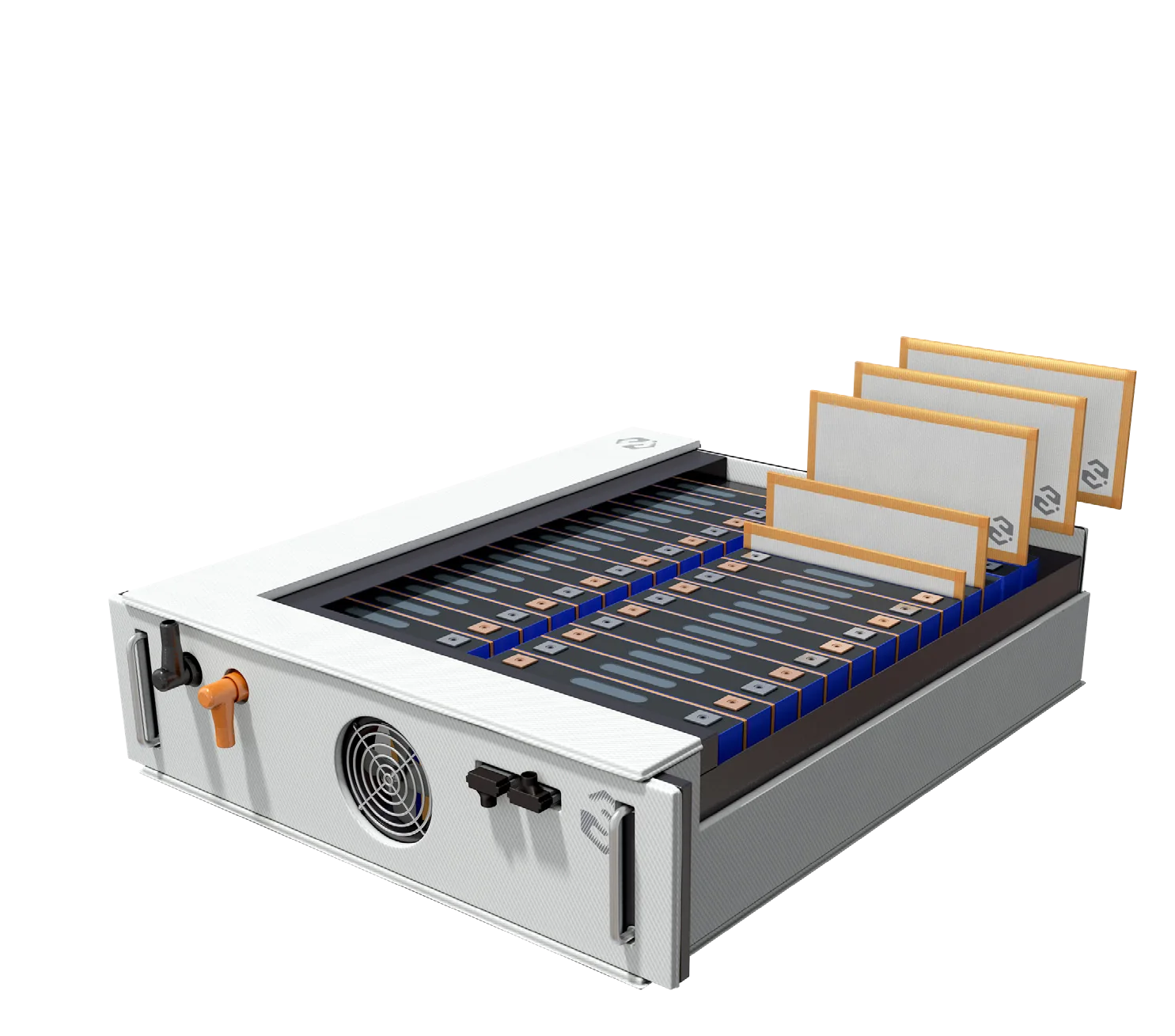 02
02Thin barriers add thermal resistance around module frames while respecting compression, clearance and assembly space.
Review Siltherm Silthin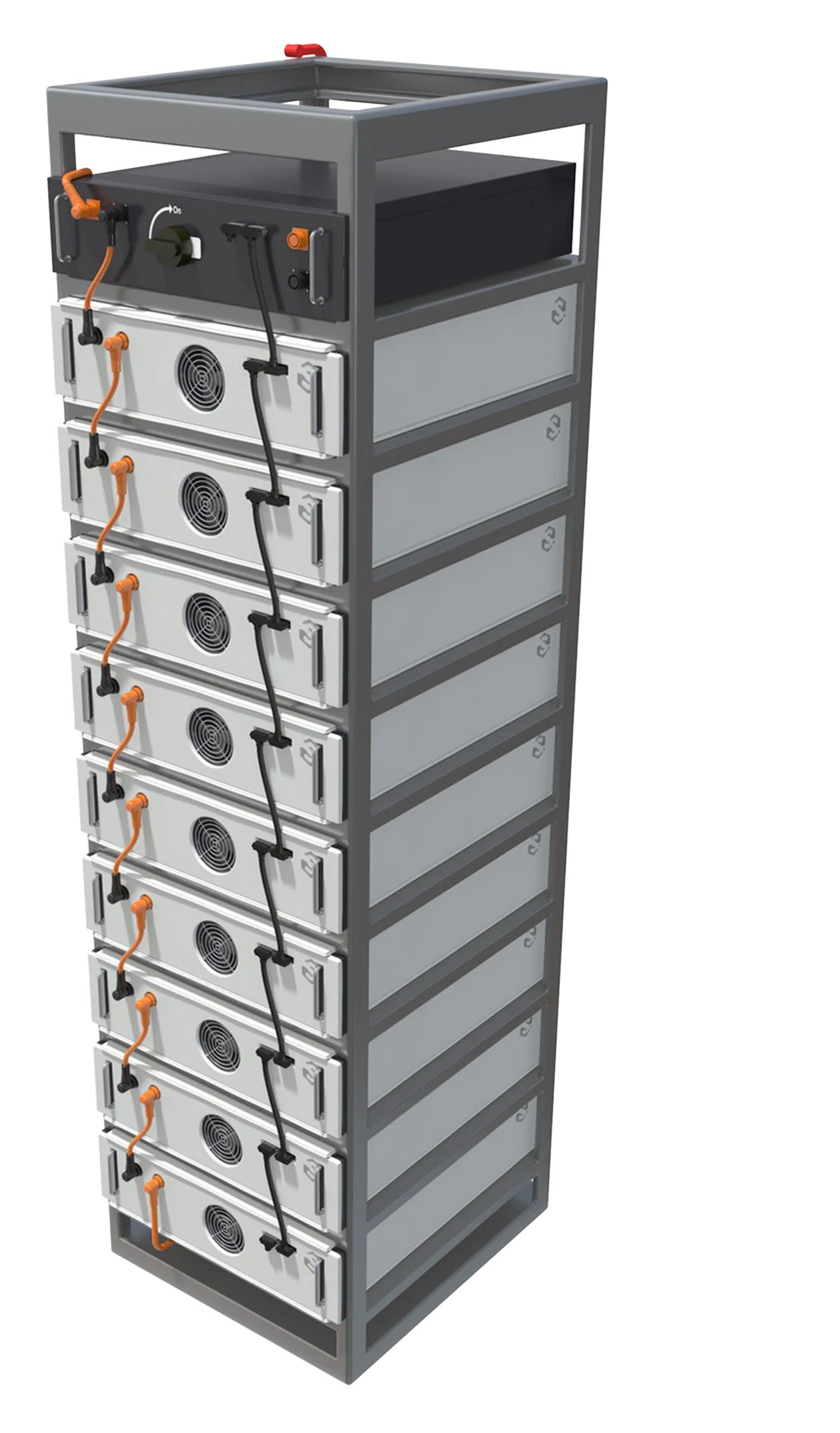 03
03Repeatable formats help carry the protection concept through joints, tolerances and serviceable rack positions.
Application map
Choose the position first. The available gap and protected objective then define the barrier format.
Read the BESS engineering perspectiveUltra-thin barriers fit between adjacent cells while accommodating the required compression and electrical boundary.
Best suited to cell-to-cell interfacesConfigured geometry maintains coverage around frames, busbars, supports and local clearances.
Best suited to repeated module interfacesPanel layouts account for joints, penetrations and installation tolerance across repeated rack positions.
Best suited to rack-level protection zonesRigid and configured barriers support protection around the enclosure, ventilation paths and surrounding interfaces.
Best suited to container-level integrationEngineering confidence
Siltherm takes the selected material into the intended battery geometry so the barrier can be evaluated in the real assembly.
Siltherm solutions
Compare Silthin and Panel FP for the protection zone and available installation space. Application-specific requirements can be reviewed with our engineering team.
Application and custom requirements
For product selection or custom components, describe the cell, module, rack or enclosure location, available dimensions, installation constraints and protection target. Leave your contact details for an application review. Confidential drawings can follow through an agreed project channel.
Send your application brief