
Preserve payload volume
Achieve high thermal resistance within a slimmer wall or packaging envelope.
Temperature-controlled distribution
More of the insulated envelope can remain available for the payload. Siltherm vacuum panel routes limit heat ingress through packaging, vehicles and containers.
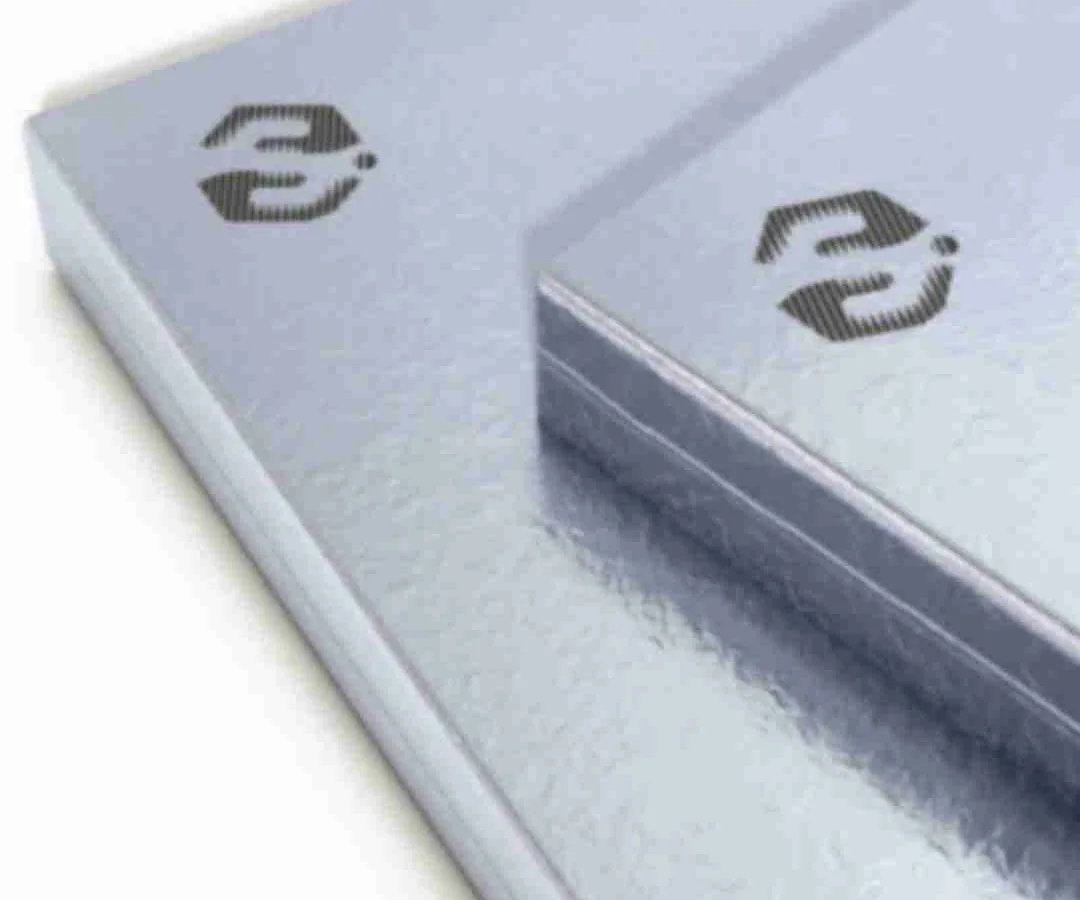
Achieve high thermal resistance within a slimmer wall or packaging envelope.
Reduce heat ingress through the insulated faces of the complete system.
Coordinate panels, edges, joints and vapour control around the full thermal boundary.
Across the cold chain
Medical shippers, refrigerated vehicles and cold stores all depend on a continuous insulation envelope. It must preserve payload space across doors, edges and service points.
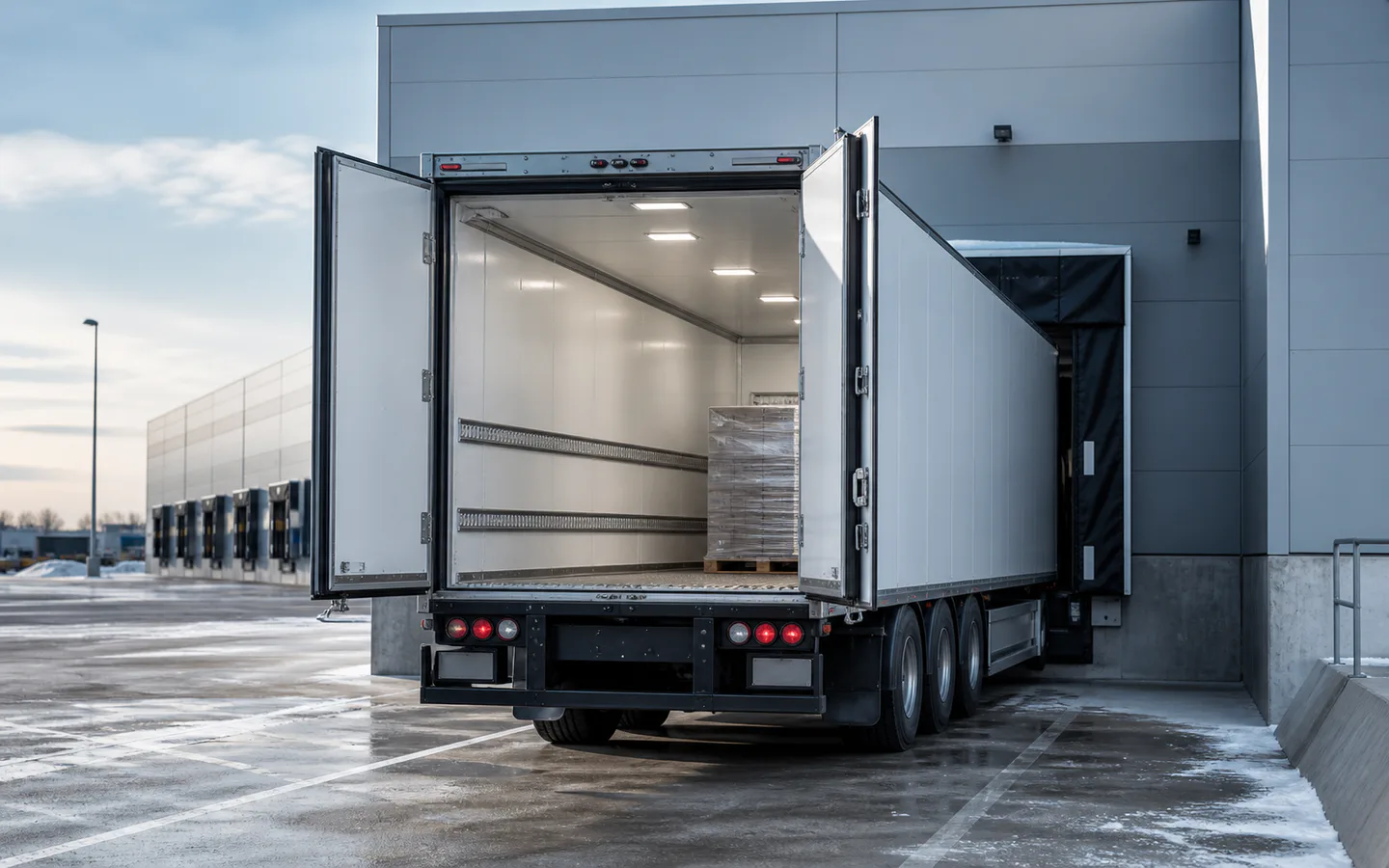
Slim panel layouts limit heat ingress across large vehicle surfaces while keeping more of the interior available for cargo.
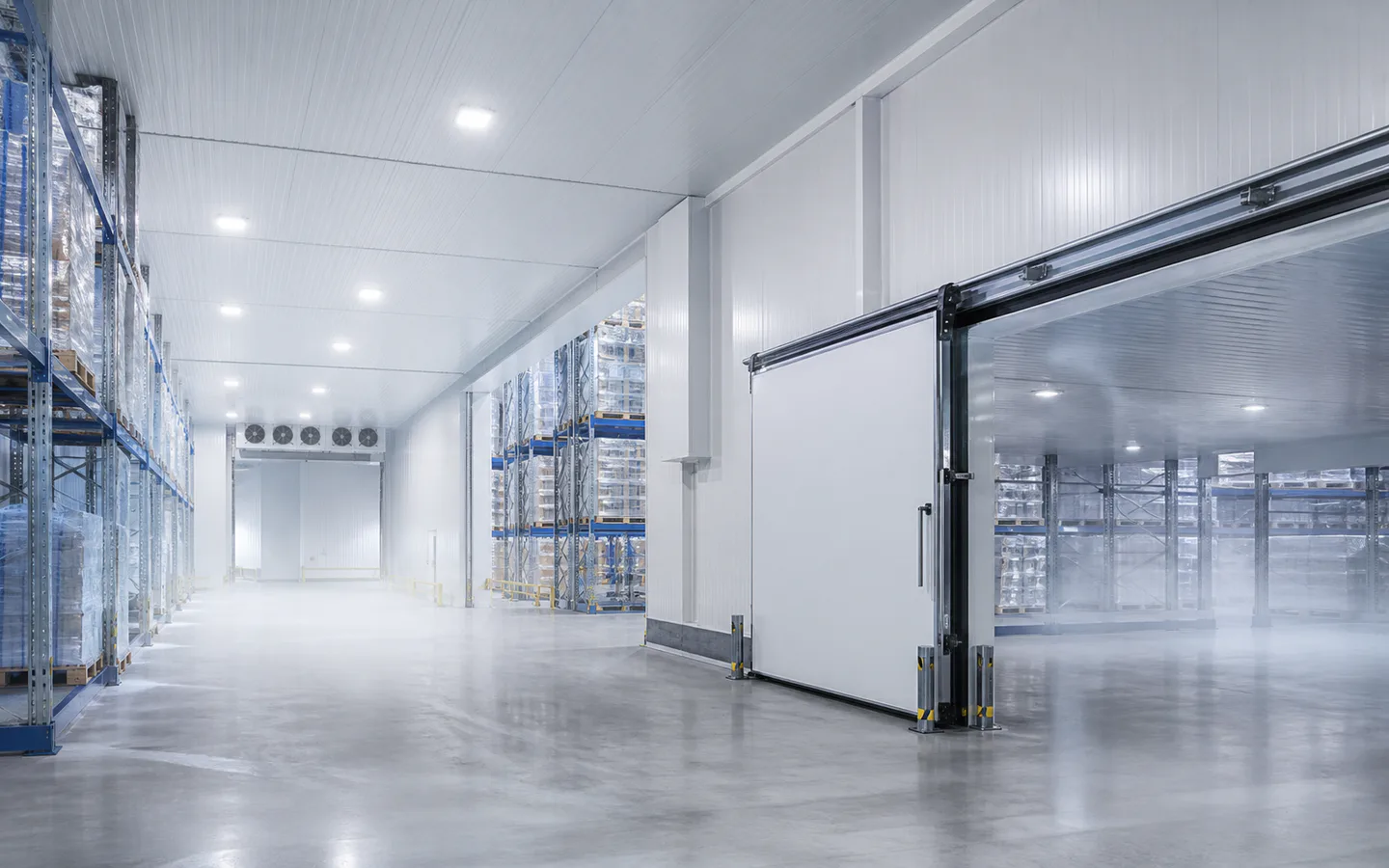
Continuous insulation around walls, ceilings and doors helps stabilise the storage environment without crowding the operating space.
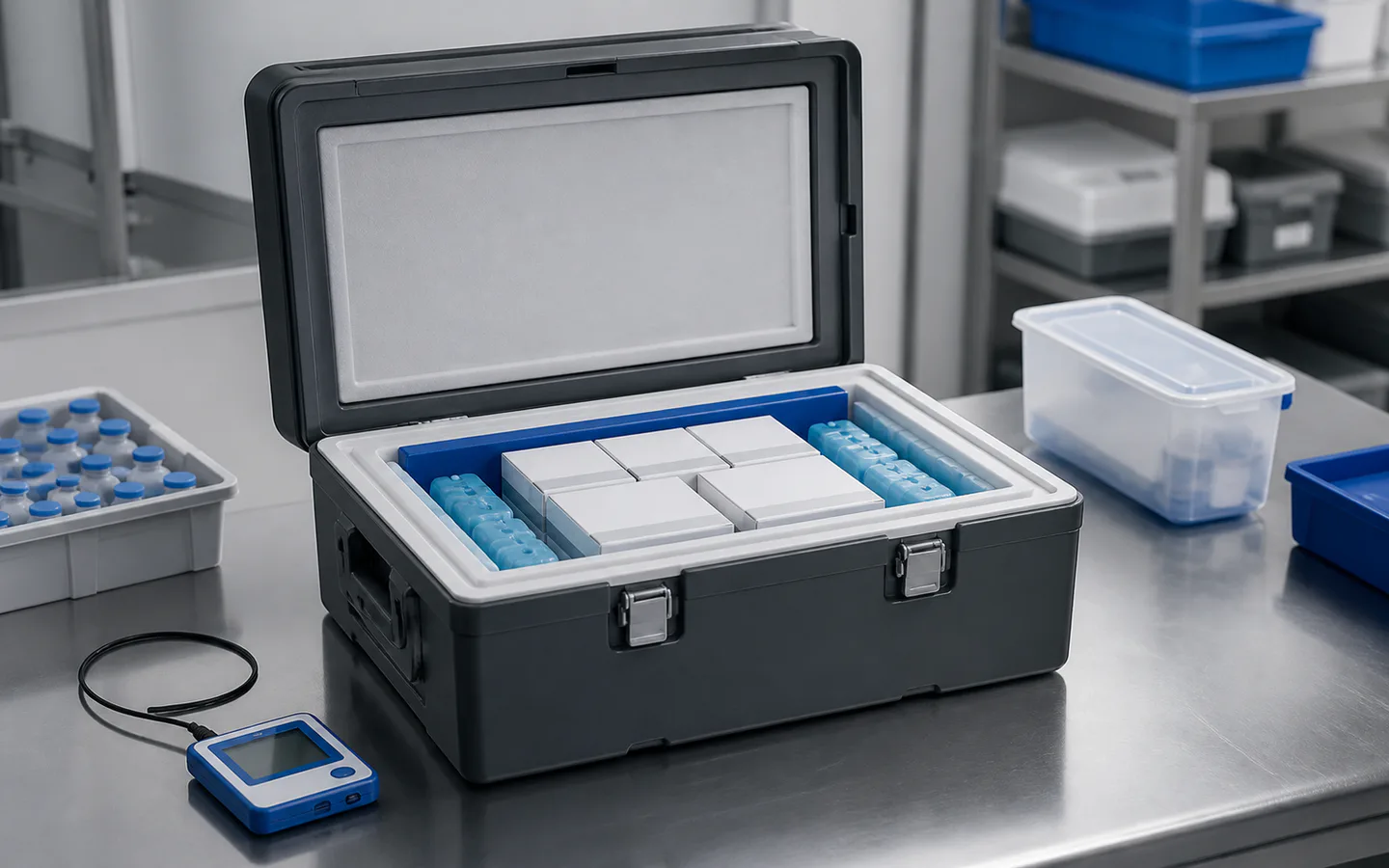
High thermal resistance in a compact package leaves more room for temperature-sensitive payloads and coolant packs.
Thermal envelope
Panel faces and edges must form one continuous temperature-control envelope.
Temperature, humidity and duration drive heat and moisture loads.
Panel layout and edge treatment preserve thermal resistance around the payload.
Usable capacity and the required hold profile remain central to the design.
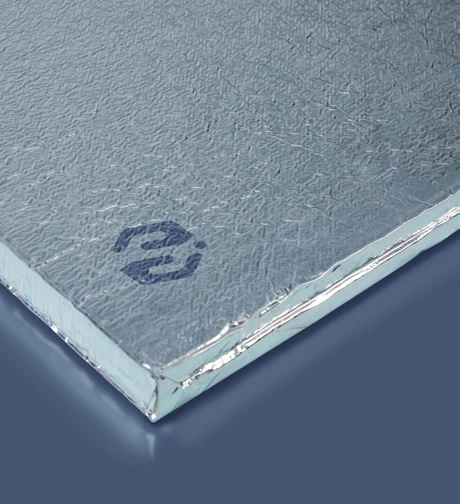
Matched Siltherm formats
Siltherm can supply microporous core material or finished vacuum-panel formats matched to the required construction.
Designed around the shipment
The best panel route protects the payload without giving away internal volume.
Cold-chain discussion
Share the payload dimensions, target temperature and expected duration. A Siltherm specialist will follow up with the relevant panel route.
Discuss a cold-chain application