
Furnace and regenerator
Space-efficient backup insulation helps retain furnace heat and reduce exposure at the outer equipment boundary.
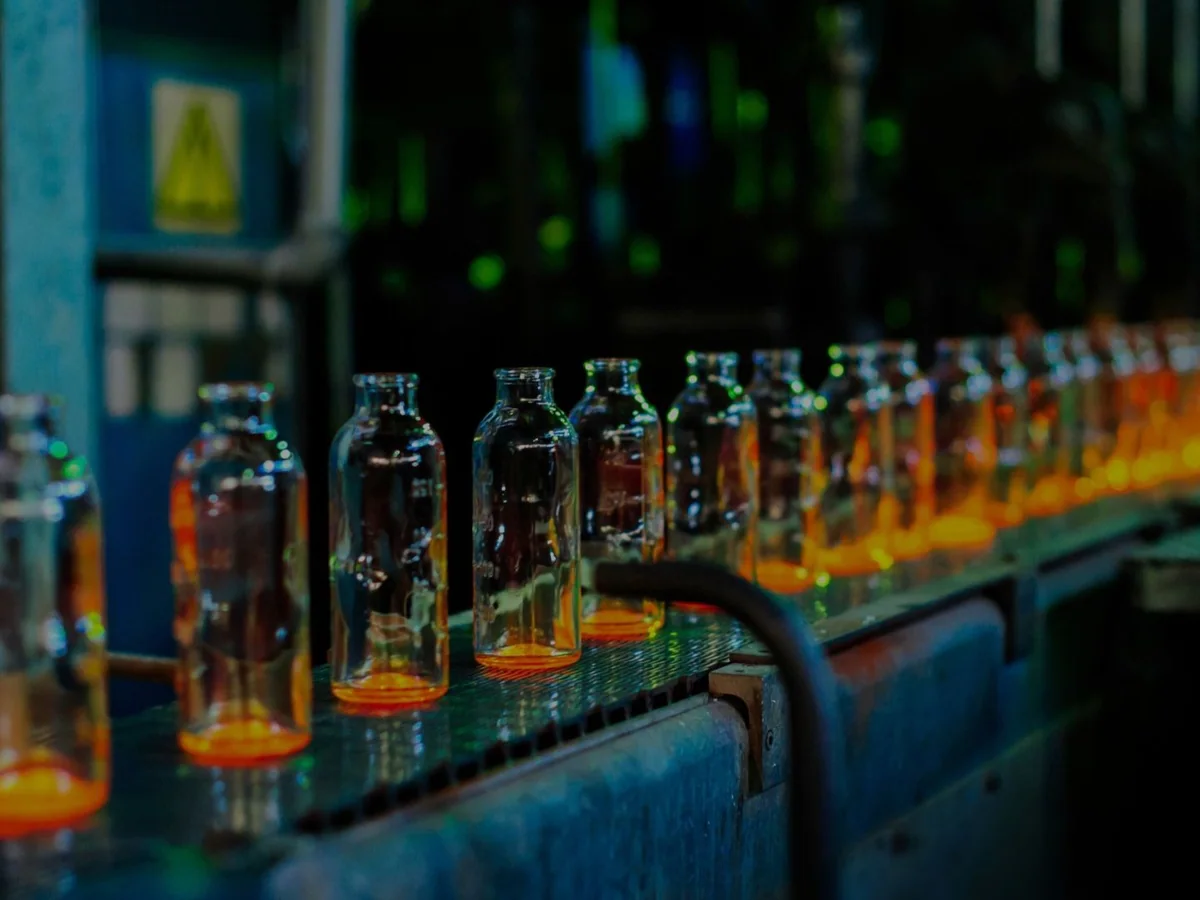
Glass production applications
Stable thermal conditions matter from the furnace to the feeder bowl. Siltherm uses rigid panels and converted components to maintain insulation continuity through long runs, corners and equipment-specific profiles.
From melt to forming
Rigid panels suit large refractory faces. Converted components carry the insulation path into narrower transfer equipment.
Space-efficient backup insulation helps retain furnace heat and reduce exposure at the outer equipment boundary.
A continuous insulation layer supports stable heat retention as molten glass is conditioned for the forming line.
Rigid panels and converted kits follow straight runs, corners and proprietary bowl geometry with less unused space.
Thin insulation fits around constrained furnace construction and helps maintain the required thermal boundary near the forming process.
Equipment applications
The product form follows the equipment, from straight forehearths to curved bowls and transfer channels.
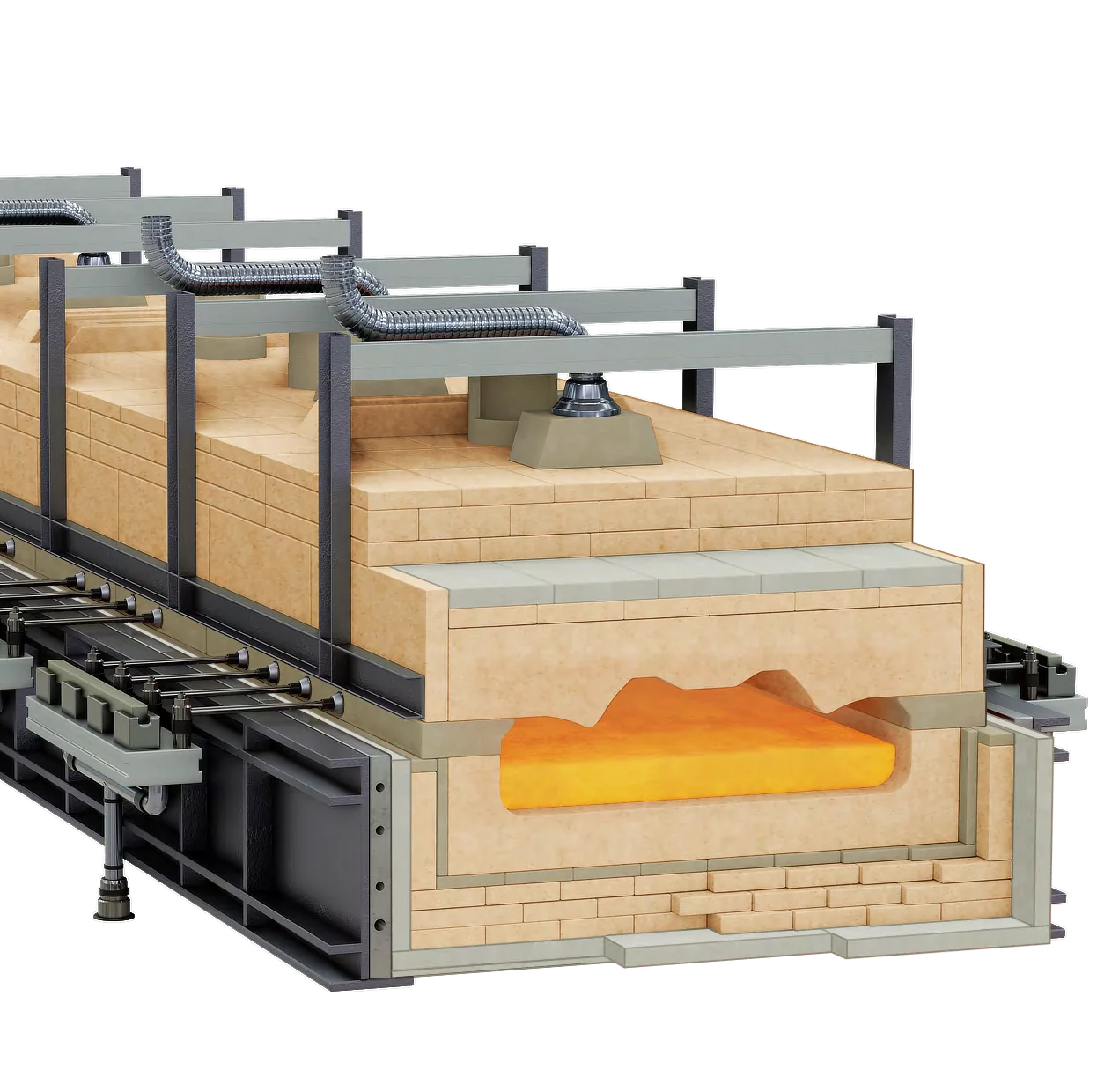 01
01Rigid formats maintain a compact insulation layer across long runs, corners and support transitions.
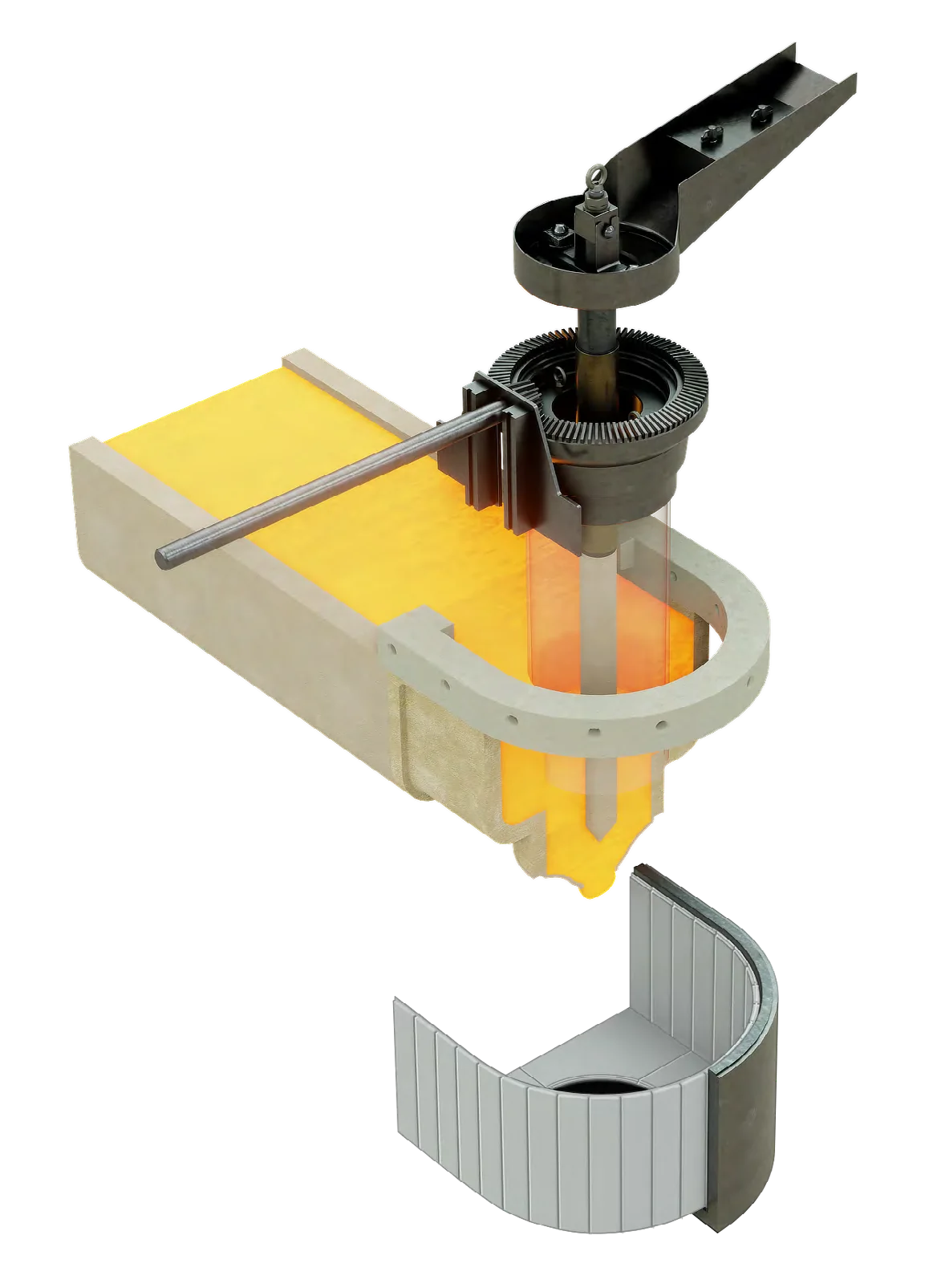 02
02Converted kits bring microporous performance to curved surfaces, penetrations and equipment-specific profiles.
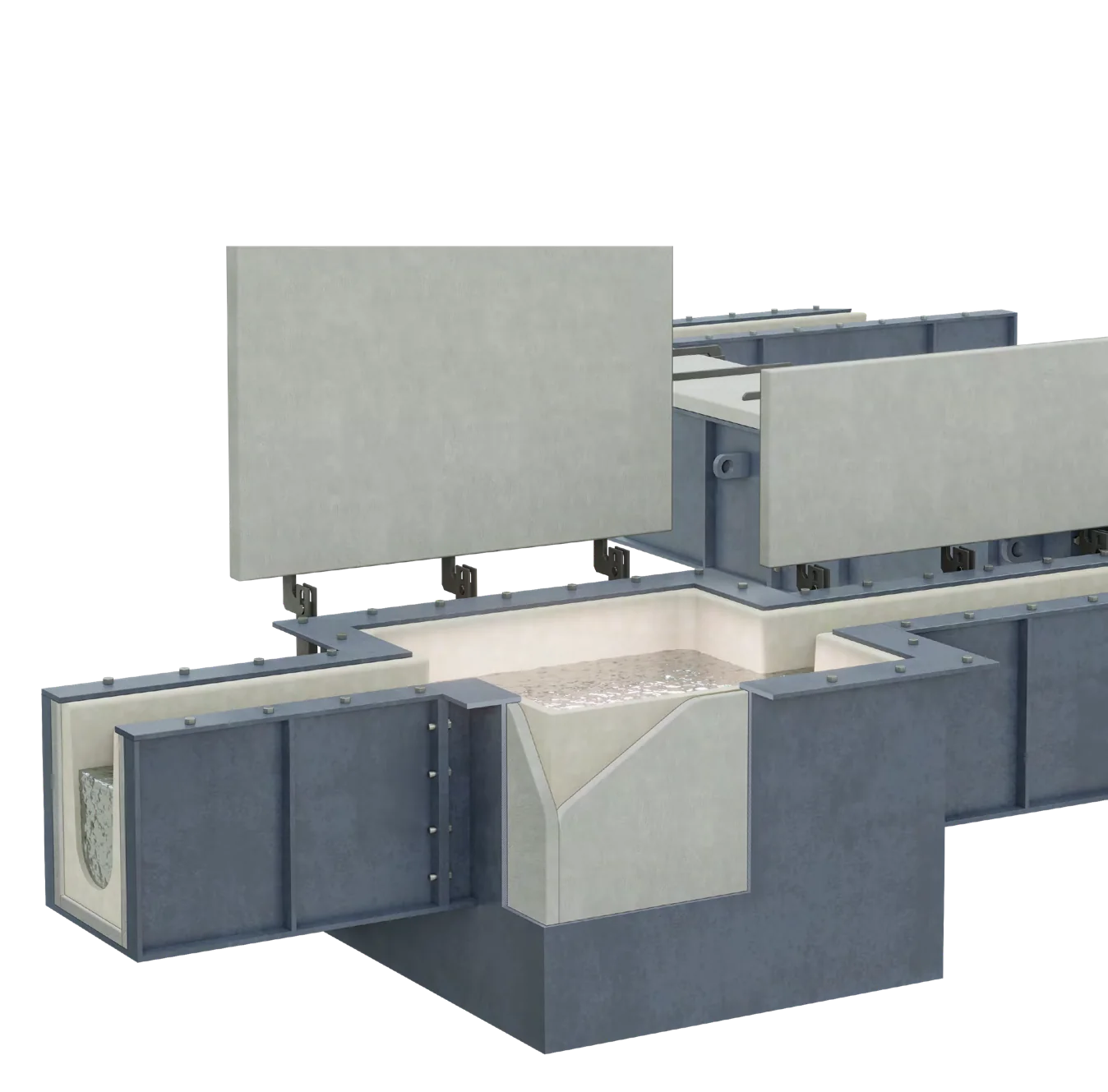 03
03Encapsulated panels support clean handling around channel geometry, corners and casing interfaces.
Review Siltherm PanelSiltherm product routes
Use Board on defined flat areas, Panel where clean handling matters, and a customised component for complex geometry.
Compact rigid backup insulation behind the refractory lining.
Rigid and encapsulated formats for continuous glass-conditioning runs.
Converted insulation kits shaped around the feeder-bowl design.
Rigid formats matched to the transfer path or furnace build-up.
Operational value
Low conductivity keeps heat in the process while the compact build-up preserves space around the production line.
Open engineering guidanceRetain heat through furnaces, refiners and forehearths
Fit compact insulation behind refractory and casing interfaces
Convert panels into equipment-specific feeder-bowl and transfer components
Discuss your glass process
Tell us the equipment type, operating temperature and available build-up. We will compare standard formats with converted components.
Discuss a glass application