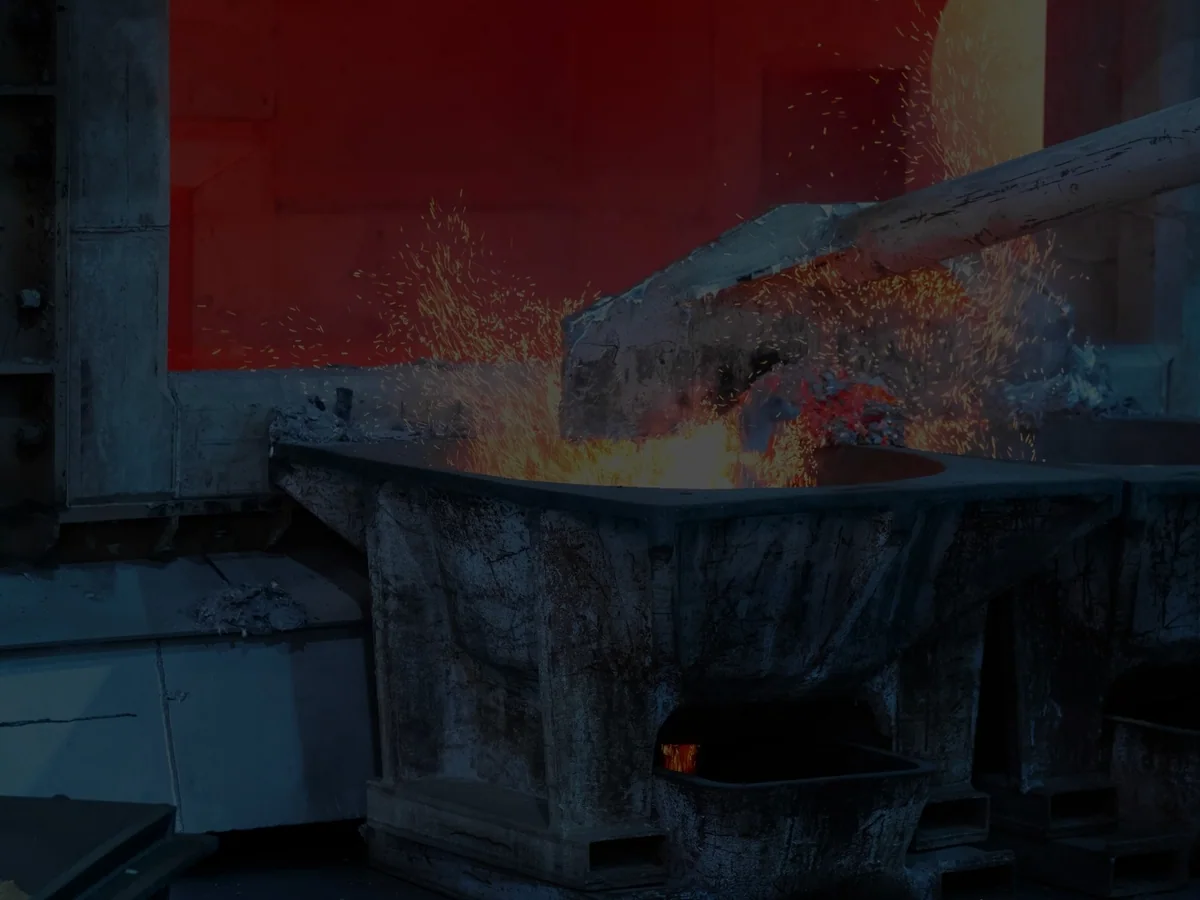
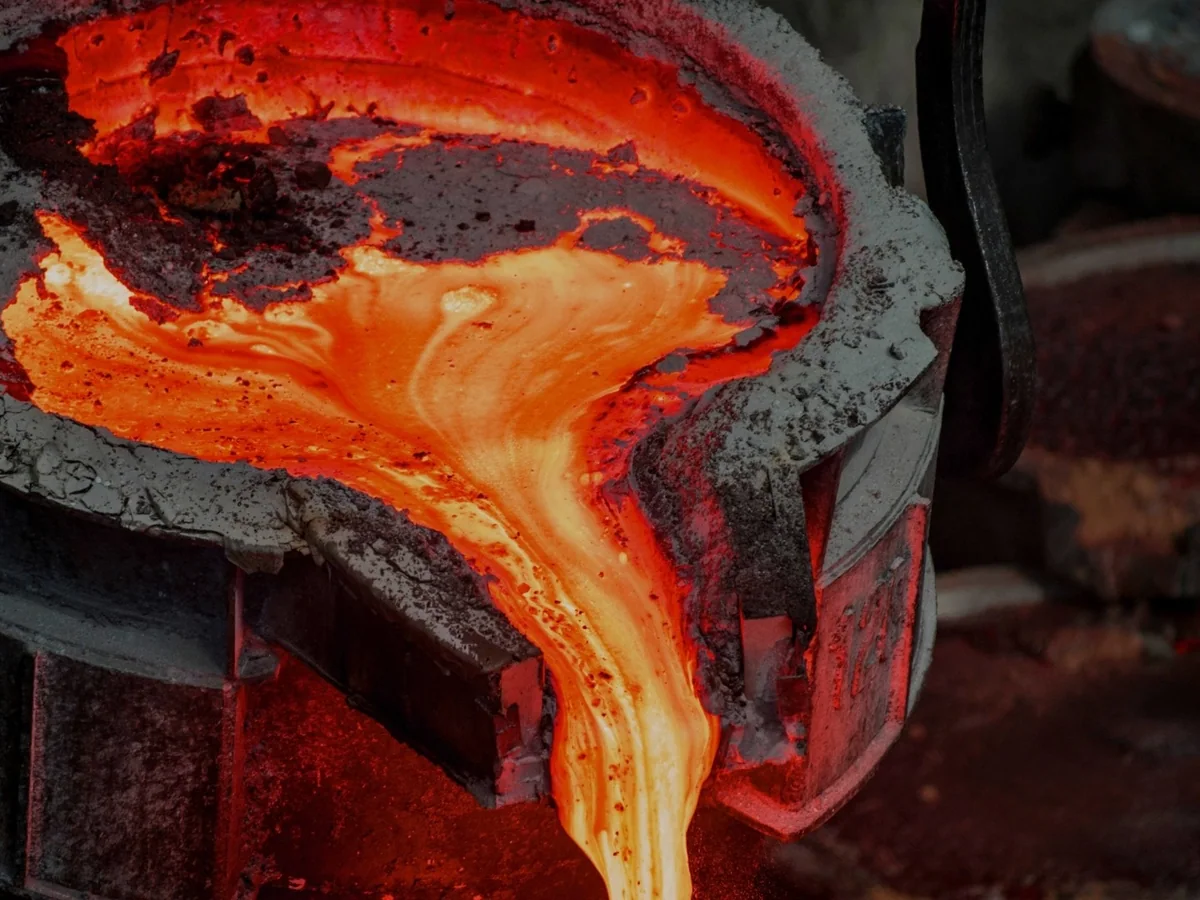
Molten metal processing equipment representing demanding industrial thermal applications

Markets and applications

Thermal performance built around the equipment.

Siltherm insulation works inside the equipment, where heat loss, usable space and service life are decided.

Support longer asset lifeReduce energy loss and emissionsLower maintenance demand

Choose the application route

Start with the system boundary, then match the insulation format.

Begin with the equipment and the surface that must be protected. The market routes below lead to the Siltherm formats suited to that duty.

01

Battery and e-mobility

Manage heat transfer where space, safety and mechanics converge.

Battery protection changes with the barrier location. Siltherm develops thin formats for cell, module and pack boundaries, including designs that must also accommodate compression.

02

High-temperature industries

Place the insulation where each process needs it.

Steel, aluminium and glass equipment place different demands on the insulation. Start with the hot surface, the boundary to protect and the space between them.

Molten steel being processed in a foundryExplore market

Ferrous metals and process heat

Iron, steel and process equipment

Compact insulation fits behind refractory linings, around process lines and inside difficult equipment voids.

Typical applications
  • Furnaces, ladles and tundishes
  • Steam, oil, gas and hot-air pipework
  • Reformers, cracking furnaces and retained cavities
Relevant Siltherm formats
Molten aluminium in industrial processing equipmentExplore market

Non-ferrous metals

Aluminium

Support molten-metal temperature control through furnaces, launders and transfer ladles while managing heat at the casing.

Typical applications
  • Melting and holding furnaces
  • Launders and transfer systems
  • Road transfer ladles
Relevant Siltherm formats
Glass bottles moving through a production lineExplore market

Glass production

Glass

Carry a stable insulation path from furnace faces into forehearths, feeder bowls and forming equipment.

Typical applications
  • Forehearths and feeder bowls
  • Launders and transfer sections
  • Tempering and process furnaces
Relevant Siltherm formats
03

Cold-chain and buildings

Protect usable space while controlling heat gain and loss.

Vacuum and microporous insulation concentrate thermal resistance in a shallow envelope, leaving more room for payload, storage or floor area.

Siltherm vacuum insulation panel formats for temperature-controlled systemsExplore market

Cold-chain logistics

Temperature-controlled distribution

Slim insulation that protects usable volume while reducing heat ingress across controlled packaging, transport and storage systems.

Typical applications
  • Pharmaceutical and biotech packaging
  • Refrigerated transport
  • Cold-storage and distribution equipment
Relevant Siltherm formats
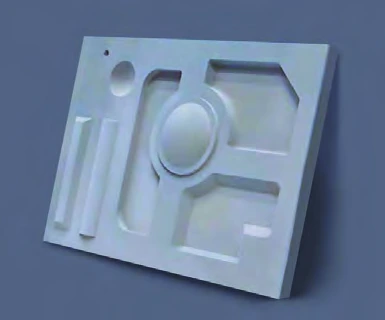
Machined Siltherm Board 3D component for compact appliance geometryExplore market

Appliances and storage

Domestic appliances

High thermal resistance with less insulation volume, supporting lower energy demand around compact appliances and storage systems.

Typical applications
  • Refrigerators and freezers
  • Hot-water storage and boilers
  • Induction and heated-display equipment
Relevant Siltherm formats
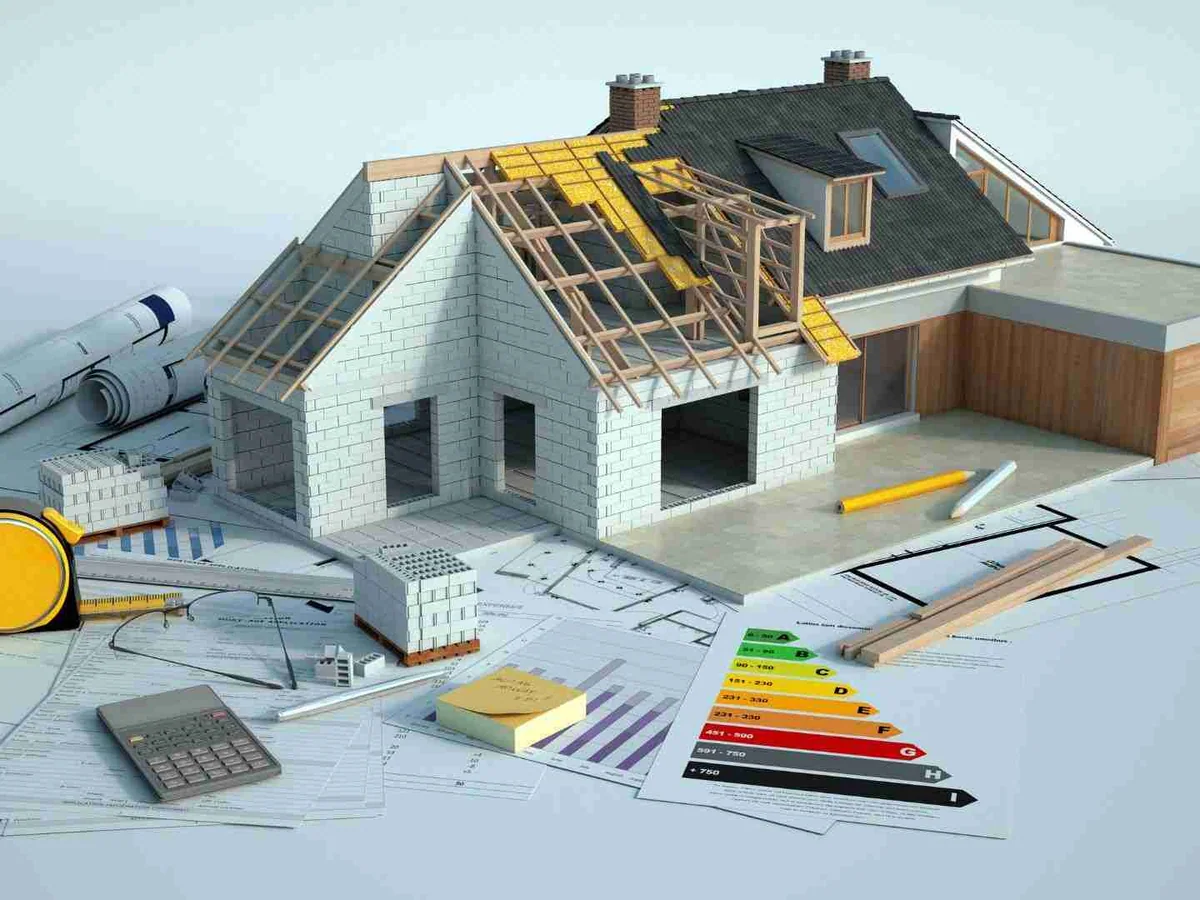
Building construction model and architectural plansExplore market

Building envelope

Building and construction

Thin insulation for constrained junctions and envelope details, helping reduce heat transfer without sacrificing usable space.

Typical applications
  • Flat roofs and terraces
  • Floors, walls and facade details
  • Attic hatches and thermal junctions
Relevant Siltherm formats
04

Passive thermal protection

Control heat across the surfaces that separate systems.

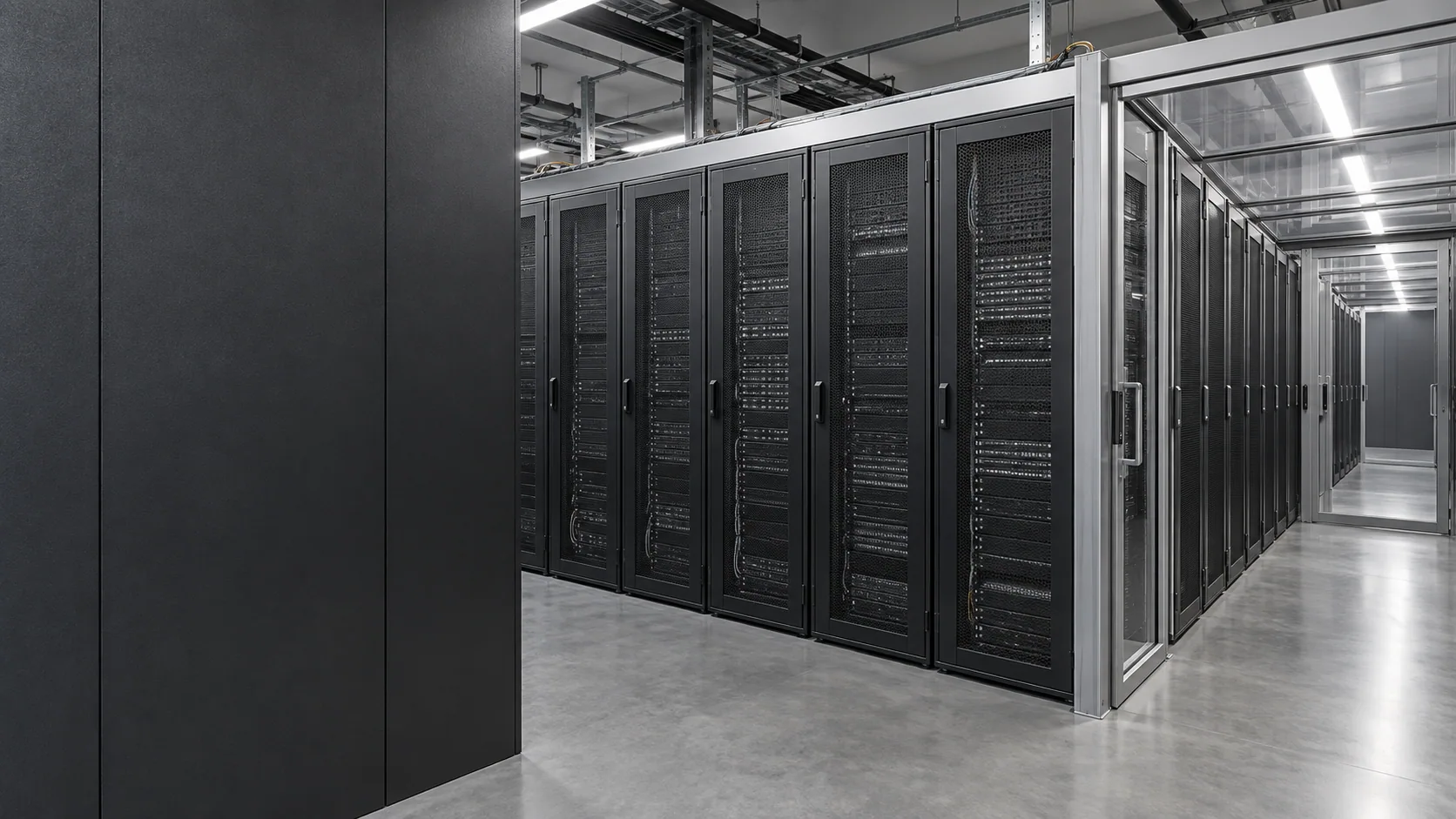
From data-centre equipment to fire-rated doors, the insulation belongs at a defined interface. Select the material around the thermal duty, available space and complete assembly requirements.

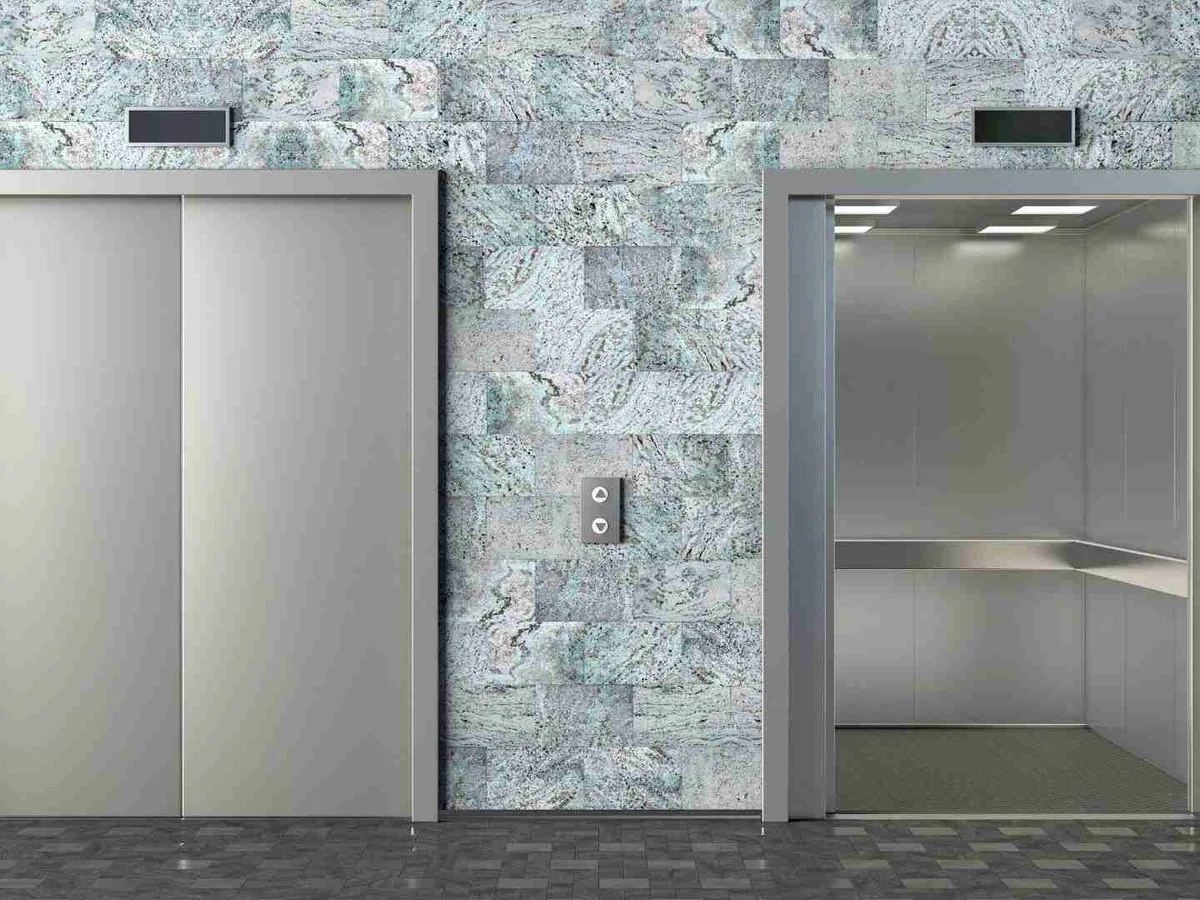
Elevator landing-door application representing passive fire protectionExplore this market

Fire-rated doors

Elevator and fire-rated doors

Thin, lightweight insulation panels for space-constrained fire-rated door constructions.

  • Elevator landing doors
  • Fire-rated access and public-building doors
  • Weight-sensitive door cores
Explore elevator and door protection

Why Siltherm

Turn thermal performance into lifecycle value.

Siltherm combines low-conductivity materials with product forms that fit the equipment. The result is a practical route to lower heat loss and longer service life.

Lower energy and carbon intensity

High thermal resistance helps limit avoidable heat transfer, energy demand and the associated operating emissions.

Longer service intervals

Controlling thermal stress and protecting adjacent components can support longer equipment and lining life.

Lower lifetime cost

Compact, equipment-matched formats can simplify integration and reduce the maintenance burden across the service life.

Performance matched to the application

Low-conductivity technologies are selected around the equipment geometry, operating duty and required validation.

Open engineering guidance

Continue the evaluation

Compare the product formats behind each market route.

Move from the equipment to the Siltherm product family designed for that thermal duty.

Explore product systems

Engineering discussion

Tell us where heat, space or protection is limiting the design.

Tell us what equipment is involved, the operating temperature and the space available. Keep drawings and proprietary details out of the first enquiry.

Discuss your applicationA Siltherm specialist will follow up with the relevant product information.
Thermal CalculationEngineering support