
Reduce insulation build-up
Lower-conductivity microporous and vacuum routes support target thermal resistance within limited space.
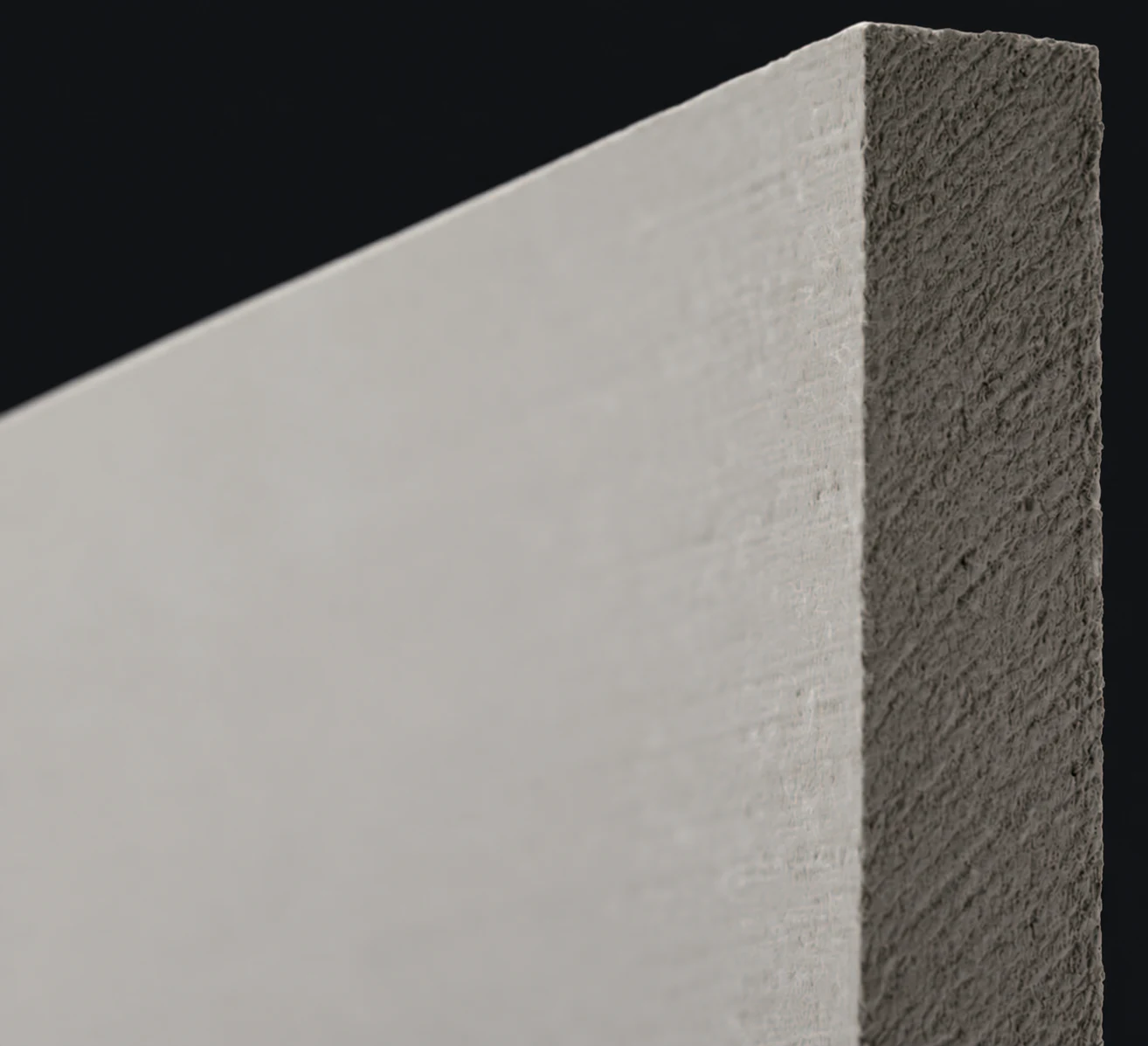
Microporous and vacuum insulation systems
Siltherm turns low-conductivity materials into insulation that fits the real installation. Product form changes with the heat path and available space.
Space-efficient thermal design
Effective insulation must fit the available envelope as well as meet the thermal target. Siltherm develops both together.
Lower-conductivity microporous and vacuum routes support target thermal resistance within limited space.
Material systems span high-temperature equipment, temperature-controlled environments and passive thermal protection.
Rigid, flexible, preformed, machined and pourable formats cover flat, curved and complex geometries.
Coverings, encapsulation, cut parts and configured sets bring the insulation closer to the required installation format.
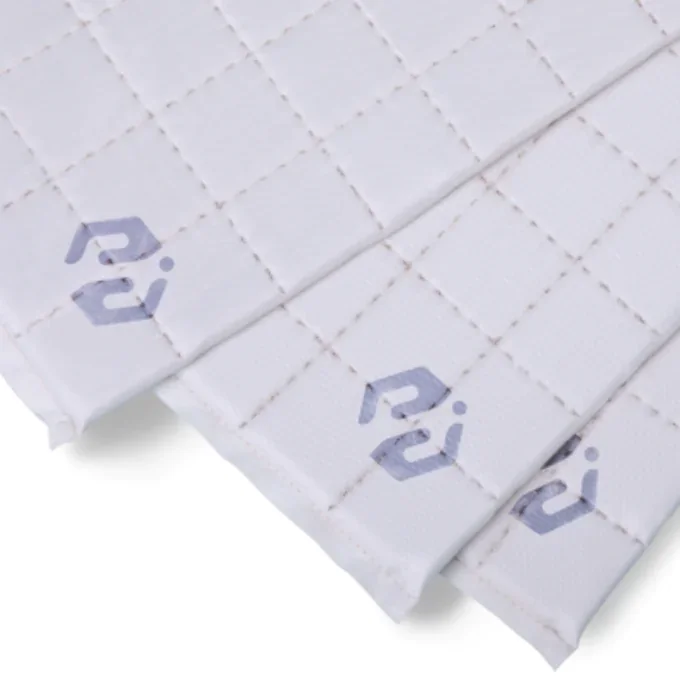
High-temperature insulation
Microporous insulation puts more thermal resistance into restricted backup space. The format can be rigid, flexible or preformed to suit the equipment.
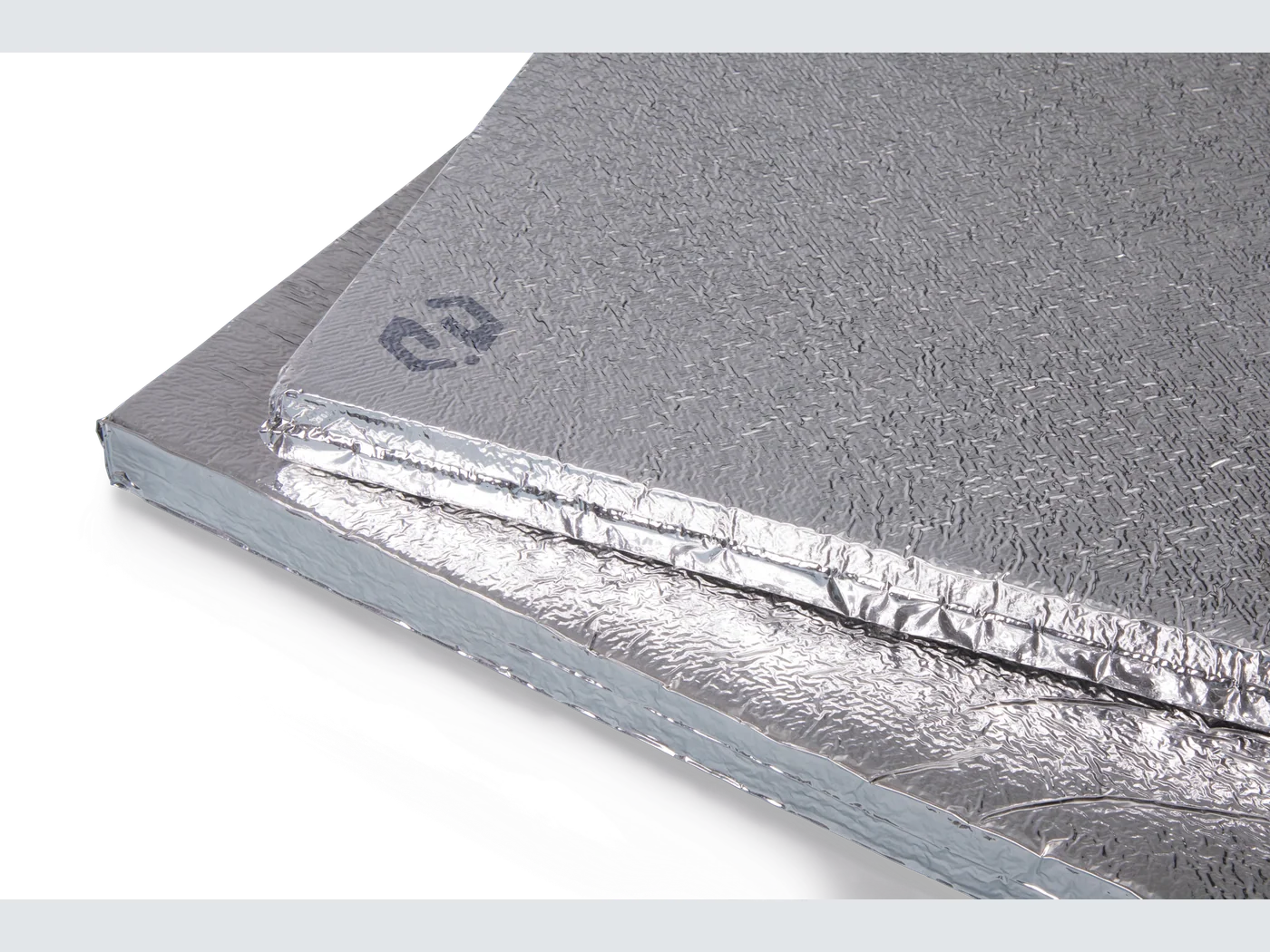
Low-temperature and vacuum insulation
SiliCore is the microporous core route; VacuPanel products are finished sealed panels. The application decides which level of integration makes sense.
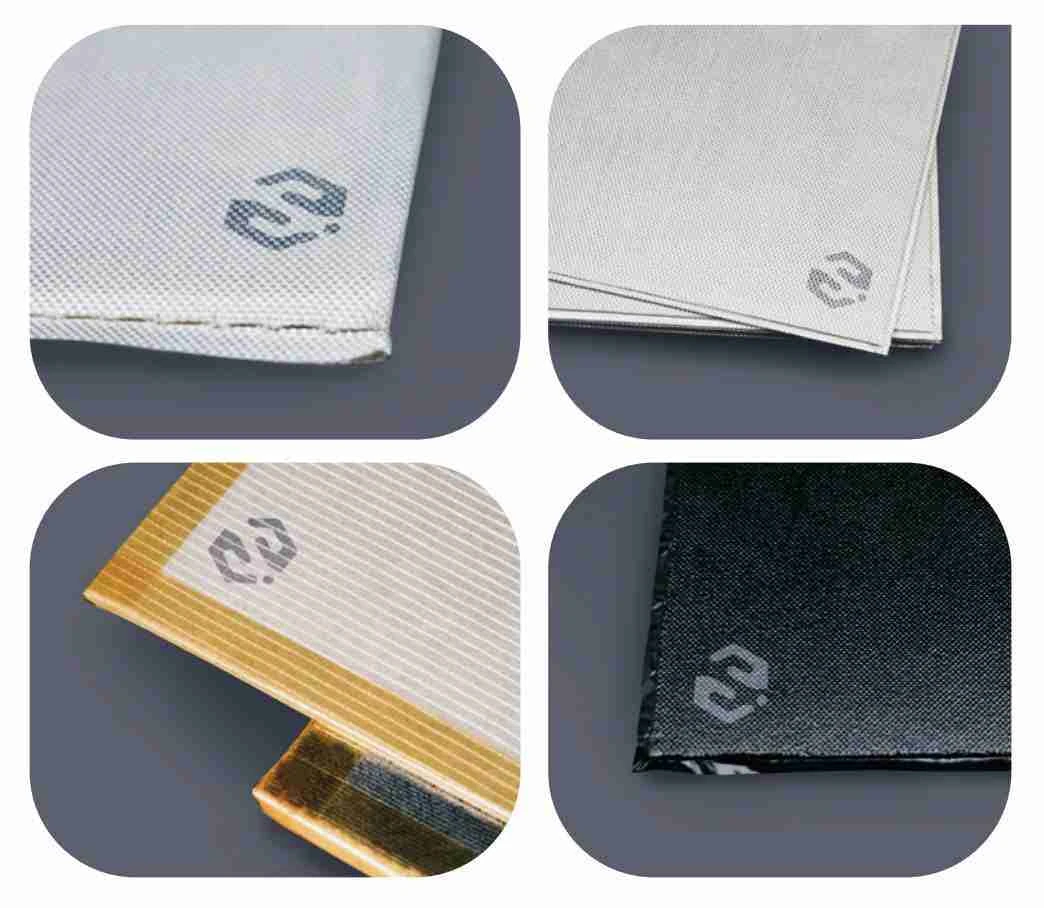
Specialist and customised systems
Panel FP and Silthin serve defined protection duties. Customised Solutions takes the next step by configuring the insulation as an application-specific component.
Beyond standard formats
Siltherm can take a selected insulation route closer to an installable component, with the protection and shape the assembly needs.
Start with a microporous or vacuum-insulation platform suited to the thermal duty and available space.
Match rigid, flexible, preformed, pourable or finished-panel construction to the equipment geometry.
Use reviewed facings, encapsulation and interface materials to support handling, assembly and service conditions.
Cut, form, machine, stitch or configure the selected format around defined installation requirements.
From product to application
Industry pages show how each product fits the equipment and where it creates value in service.
Engineering discussion
Tell us the operating temperature and how much space the design allows. We will help identify a practical product route.
Discuss your applicationUse the first enquiry for non-confidential application information only.