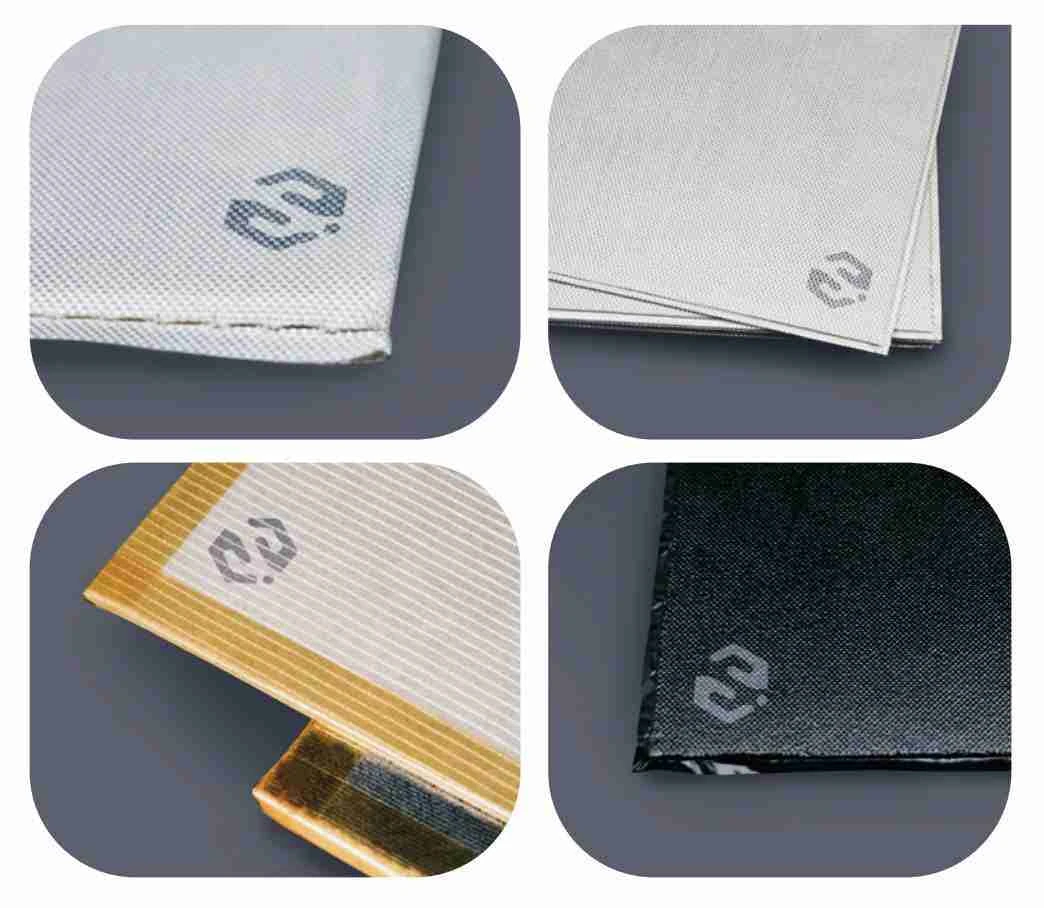
Thin thermal resistance
Add protection without consuming valuable cell or module space.
EV battery thermal propagation protection
Siltherm builds thin thermal barriers for cell gaps, module boundaries and pack top covers.
A complete barrier component
A cell barrier must fit the gap and retain its function as the stack moves. Siltherm combines the insulation with the covering and mechanical response the interface needs.
Add protection without consuming valuable cell or module space.
Match the component response to cell expansion and restraint.
Select coverings around isolation and adjacent conductive parts.
Cut, encapsulate and combine layers for the intended assembly.
Application positions
The same insulation technology can take a different form at cell, module and pack level. The component is developed around the available gap and the interface it must protect.
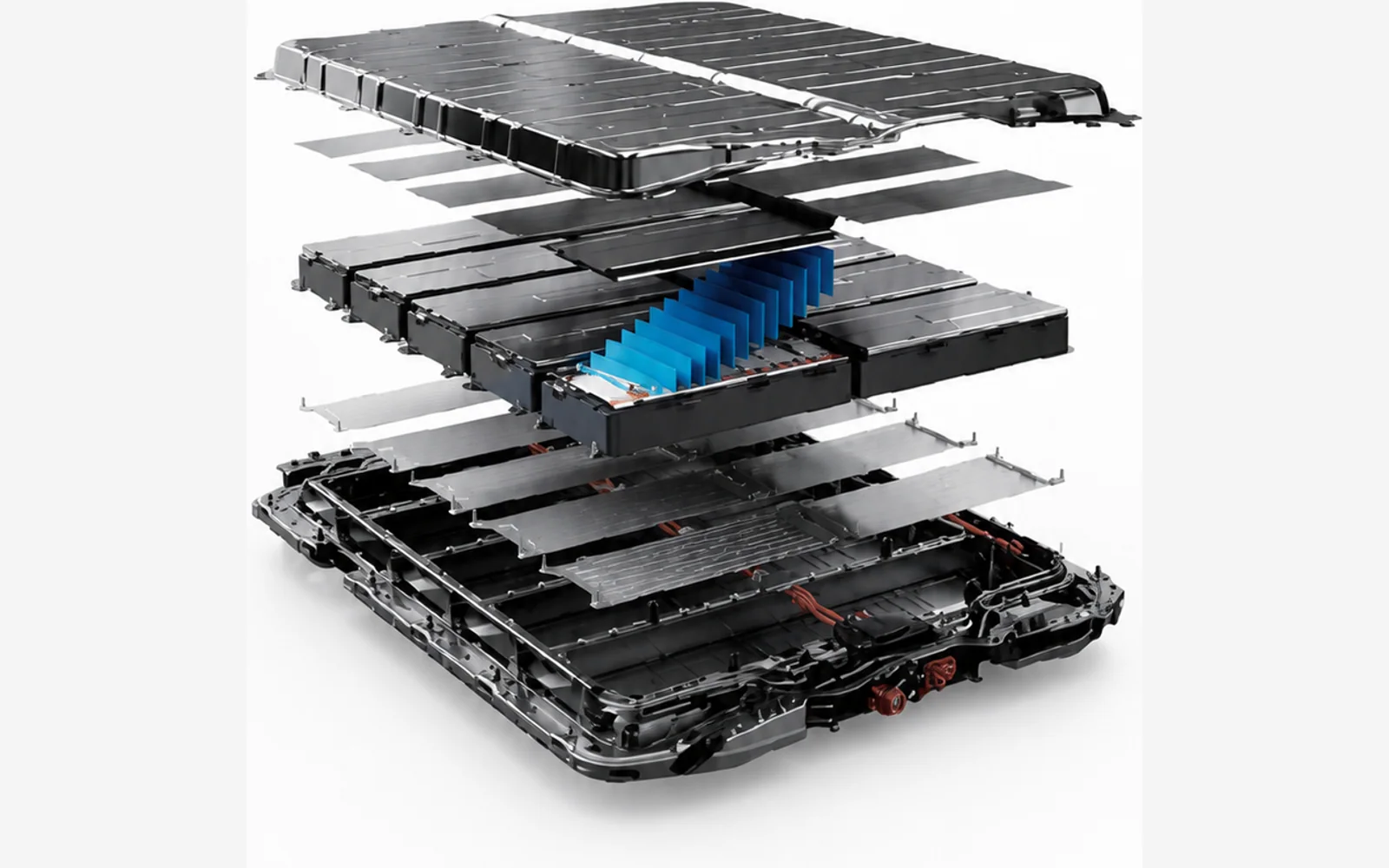 01
01Thin barriers can be configured between cells and beneath the top cover without consuming the space reserved for modules, clearances and service access.
Review Siltherm Silthin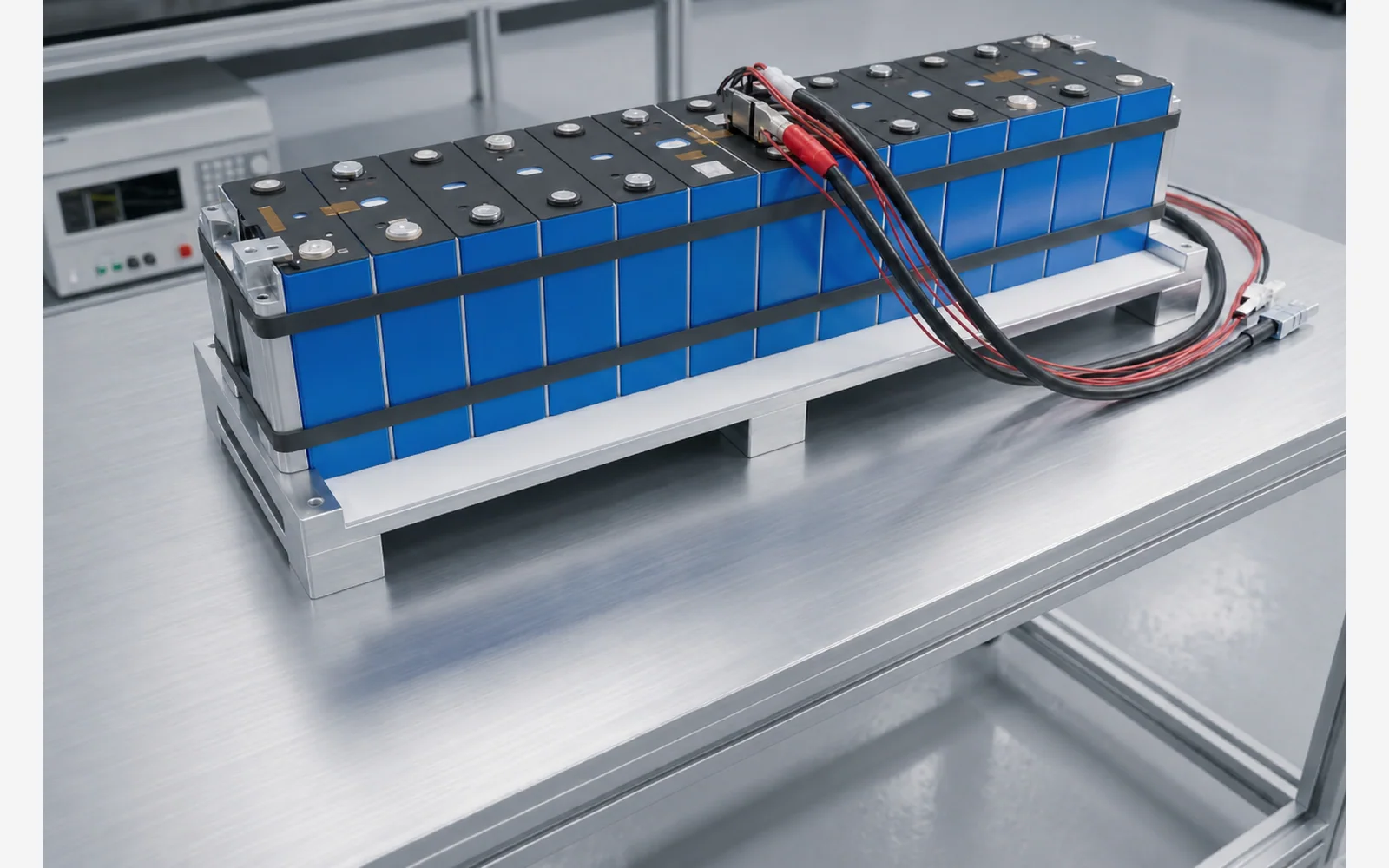 02
02Cell geometry, compression duty and electrical interfaces are considered together before the barrier component is finalised.
EV product routes
Use Silthin as the thermal foundation, then configure it for the cell or pack interface.
From material to battery component
Silthin data defines the thermal material. The project then proves the configured barrier in its intended battery assembly.
Open engineering guidanceMatched to the selected Silthin construction
Evaluated in the intended geometry and test method
Application and custom requirements
For material selection or a custom barrier, share the cell format, installation position, available gap and thermal, compression or electrical requirements. Leave your contact details so our team can review the application with you. Please keep the initial brief non-confidential.
Send your application brief