
Recover usable volume
Bring high thermal resistance into constrained walls, cavities and equipment clearances.
Domestic appliances
When insulation competes with storage or working volume, machined components and slim panels fit around the appliance hardware.
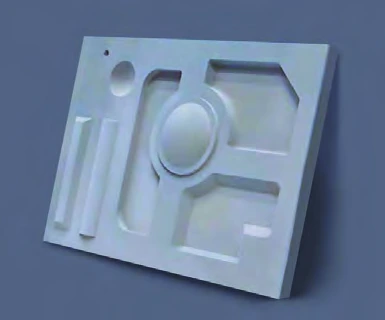
Bring high thermal resistance into constrained walls, cavities and equipment clearances.
Limit heat gain or loss across the appliance envelope and hot components.
Use cut, machined or covered formats shaped around production geometry.
Appliance positions
Siltherm formats cover cold storage, hot-water systems and local high-temperature components.
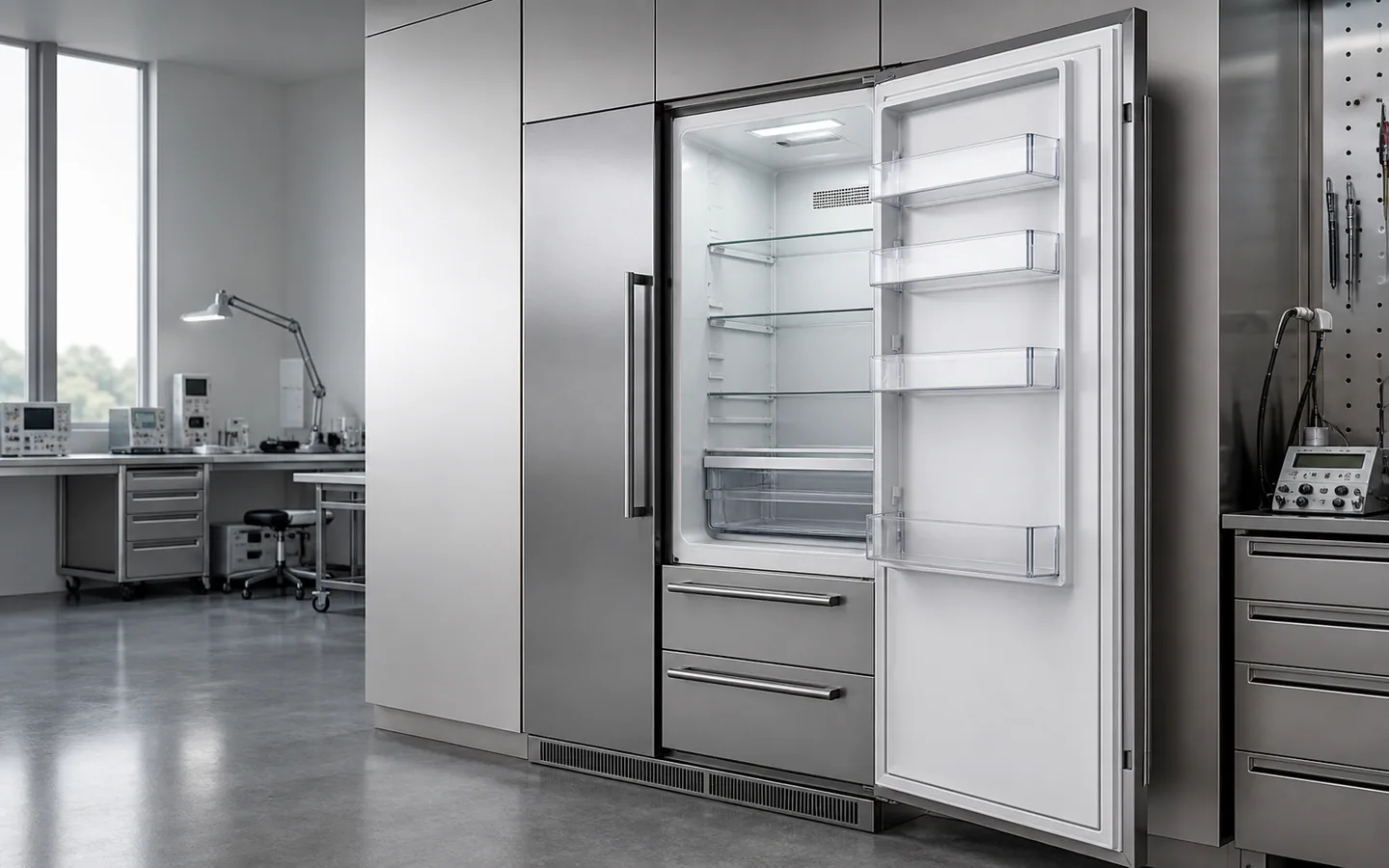
Slim vacuum panels add thermal resistance through the cabinet and door envelope while preserving storage volume.
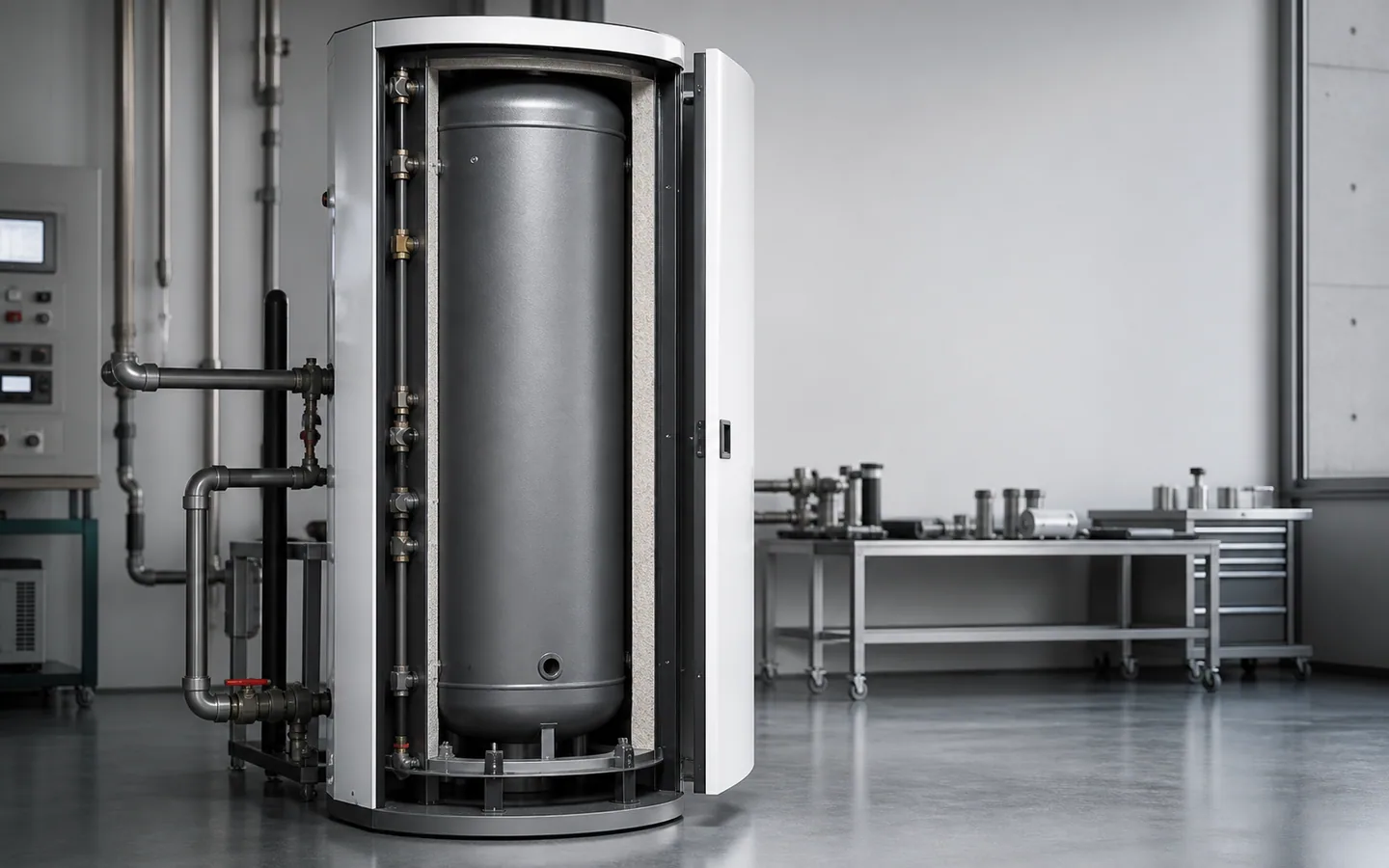
A compact insulation envelope helps retain stored heat without increasing the appliance footprint.

Machined Board 3D components fit around coils, electronics and tightly defined local interfaces.
Space-led design
The heat source and available cavity determine the product route.
The local temperature and operating cycle define the insulation requirement.
Core, vacuum panel or machined board follows the available cavity.
Storage capacity, housing size and adjacent components remain available for the design.
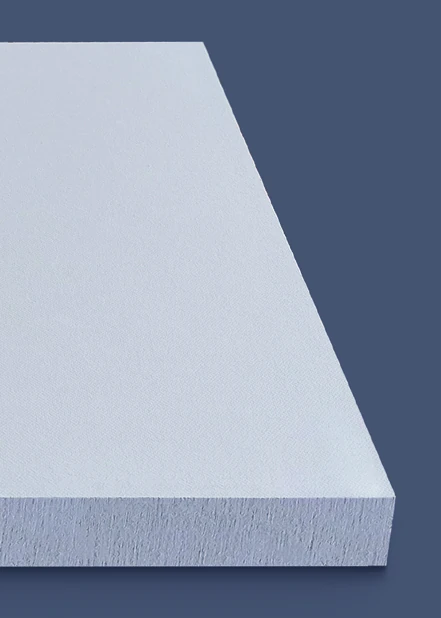
Matched Siltherm formats
Choose the route that gives the required resistance in a component the production line can use.
Designed around production
Siltherm works from the available cavity to a component format that fits production.
Appliance design discussion
Share the appliance type, thermal duty and available cavity. A Siltherm specialist will follow up with the most relevant format.
Discuss an appliance application