Reinforced microporous matrix
An opacified blend of pyrogenic silica with dispersed filament reinforcement forms one rigid insulation core matrix.
Rigid microporous insulation
A rigid board format built for flat, shaped and machined thermal boundaries.
Siltherm Board is a rigid microporous insulation format for flat linings and converted components. Grade and thickness are selected for the operating duty.
Material and surface state
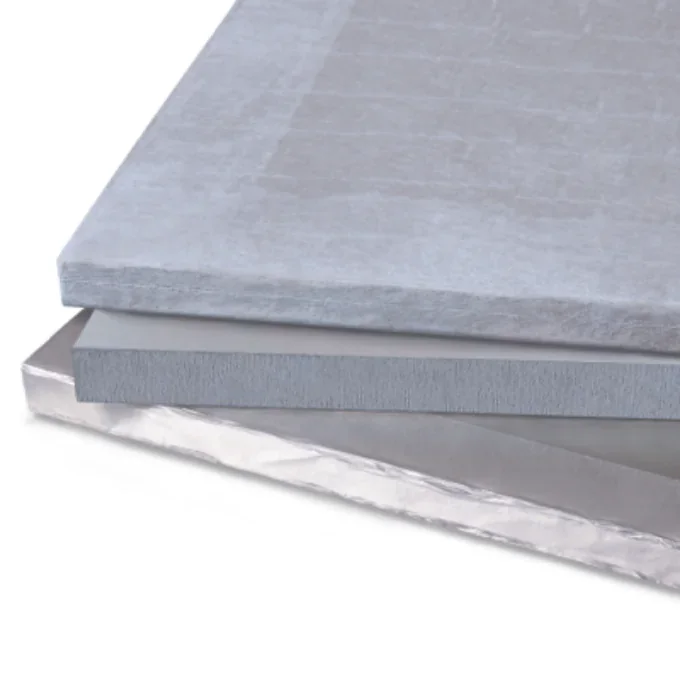
The reinforced microporous core provides the insulation. Optional coverings and machining prepare the board for the way it will be handled and installed.
An opacified blend of pyrogenic silica with dispersed filament reinforcement forms one rigid insulation core matrix.
Available without encapsulation for applications where handling, environment and installation controls are defined.
Glass-fleece and polyethylene coverings support different handling and interface requirements.
An aluminium-foil covering is available for constructions that benefit from a metallic surface layer.
Geometry development
Siltherm Board can be cut, shaped, drilled or punched with conventional tools or automated machinery. The conversion route is chosen around the required component geometry.
Flat blanks, edge profiles and defined outlines
Machined dimensions, holes and penetrations
Repeatable openings within a reviewed process
Install with suitable adhesive, retaining pins or anchors
Thermal performance
ASTM C177 data describes the Grade 1000 microporous core at the stated mean temperatures. Installed performance is then checked against the final board layout.
Standard boards are 1000 x 600 mm, with sizes up to 1200 x 600 mm listed in the July 2025 product data.
Typical applications
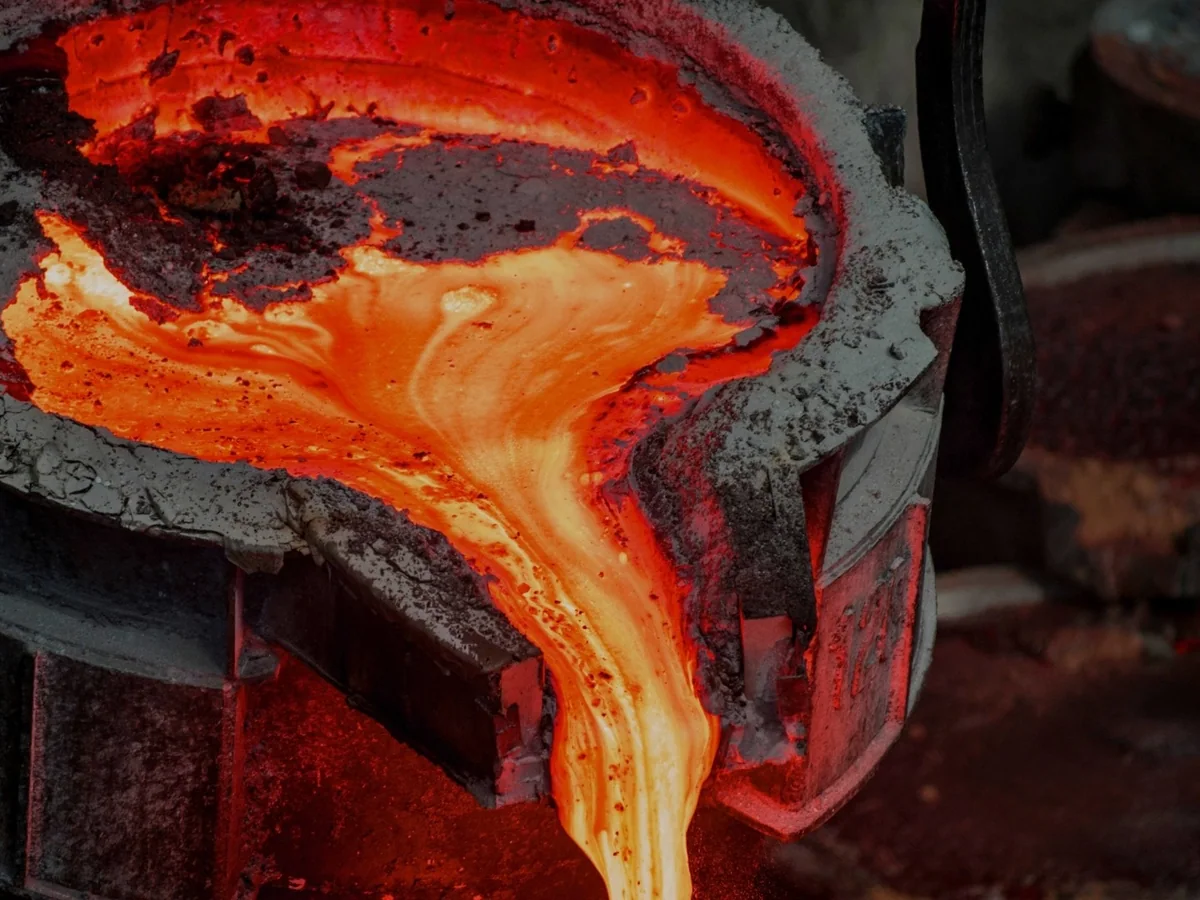
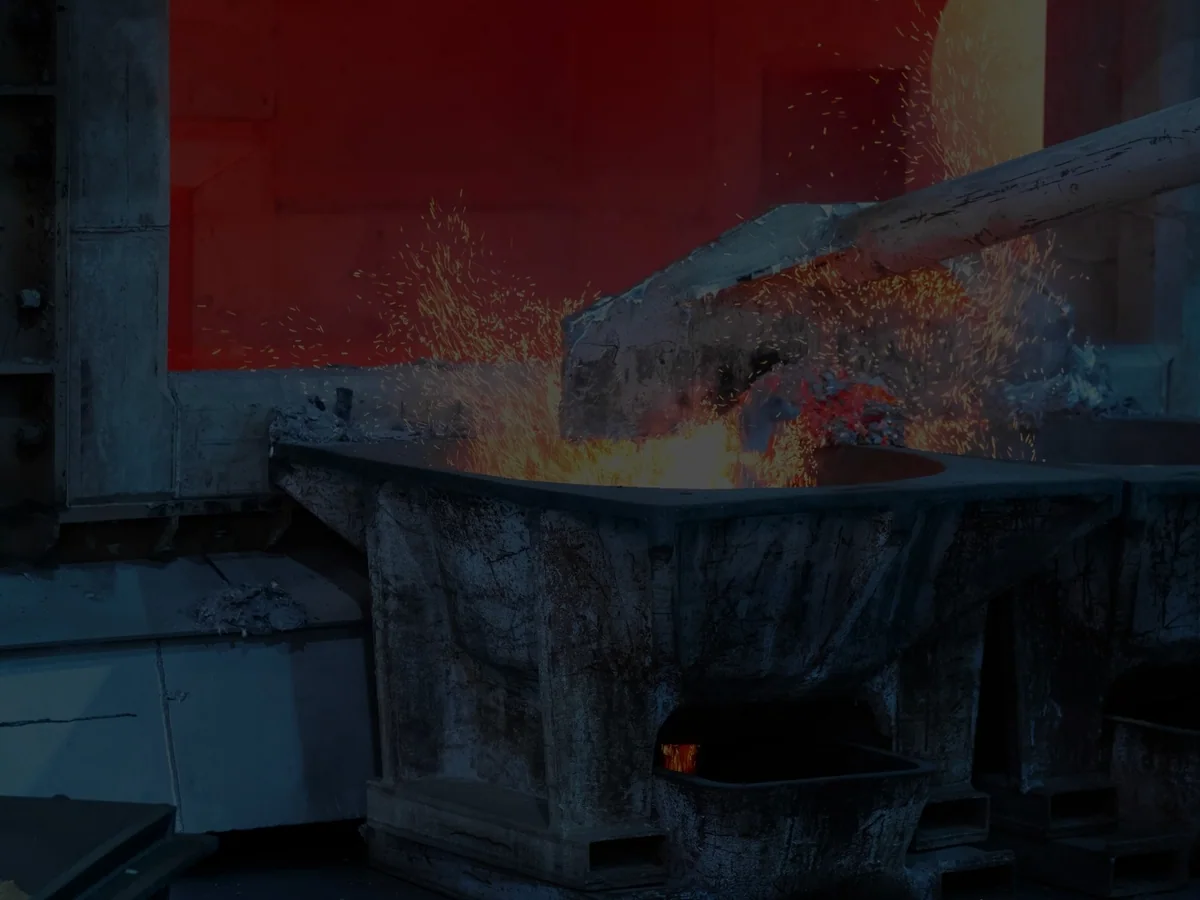
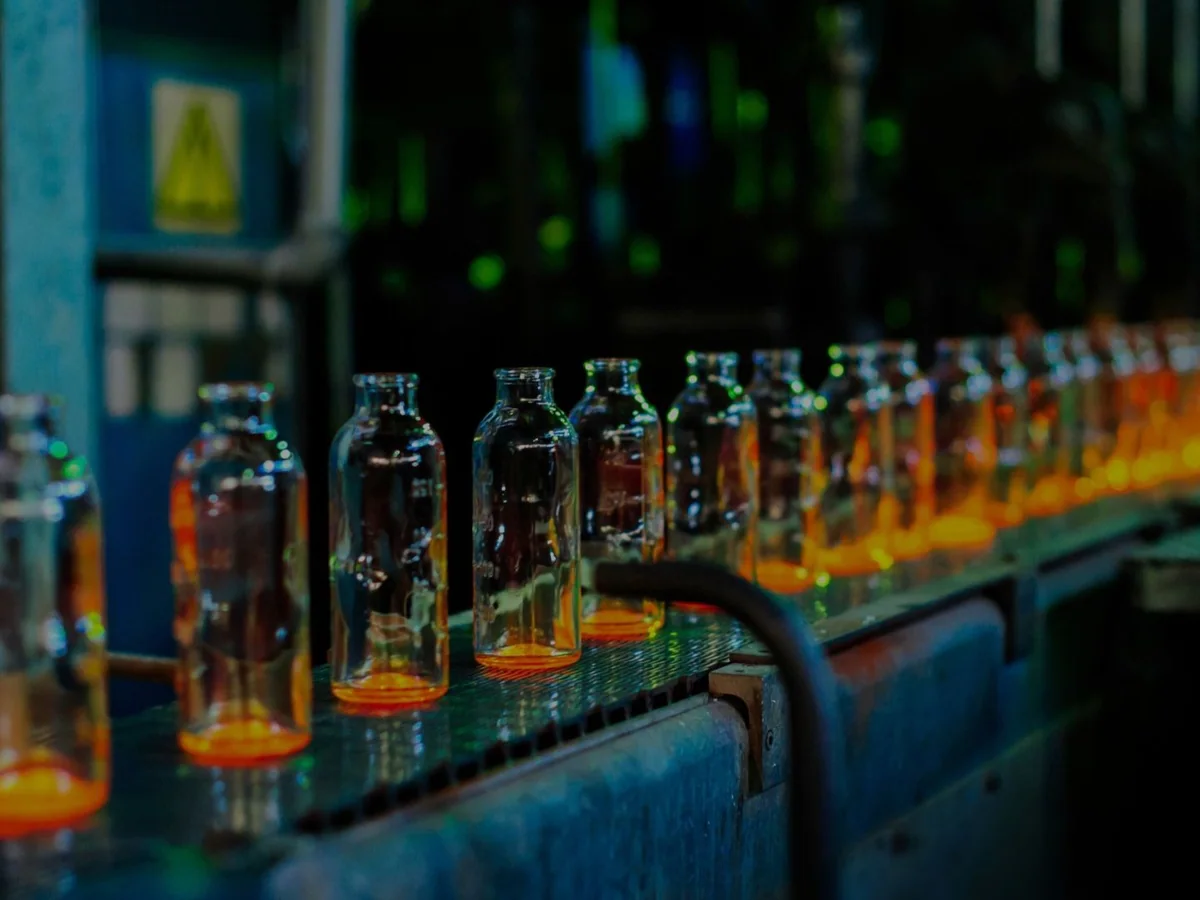
Siltherm Board supports backup insulation across industrial furnaces, metal processing, glass production and other high-temperature equipment.
Technical data sheet
Request the current data sheet and a Siltherm specialist will help confirm the grade, thickness and covering for your application.
Engineering discussion
Tell us the equipment type, temperature profile and available build-up. Keep confidential drawings out of the first enquiry.
Discuss a Board applicationUse the first enquiry for non-confidential application information only.