
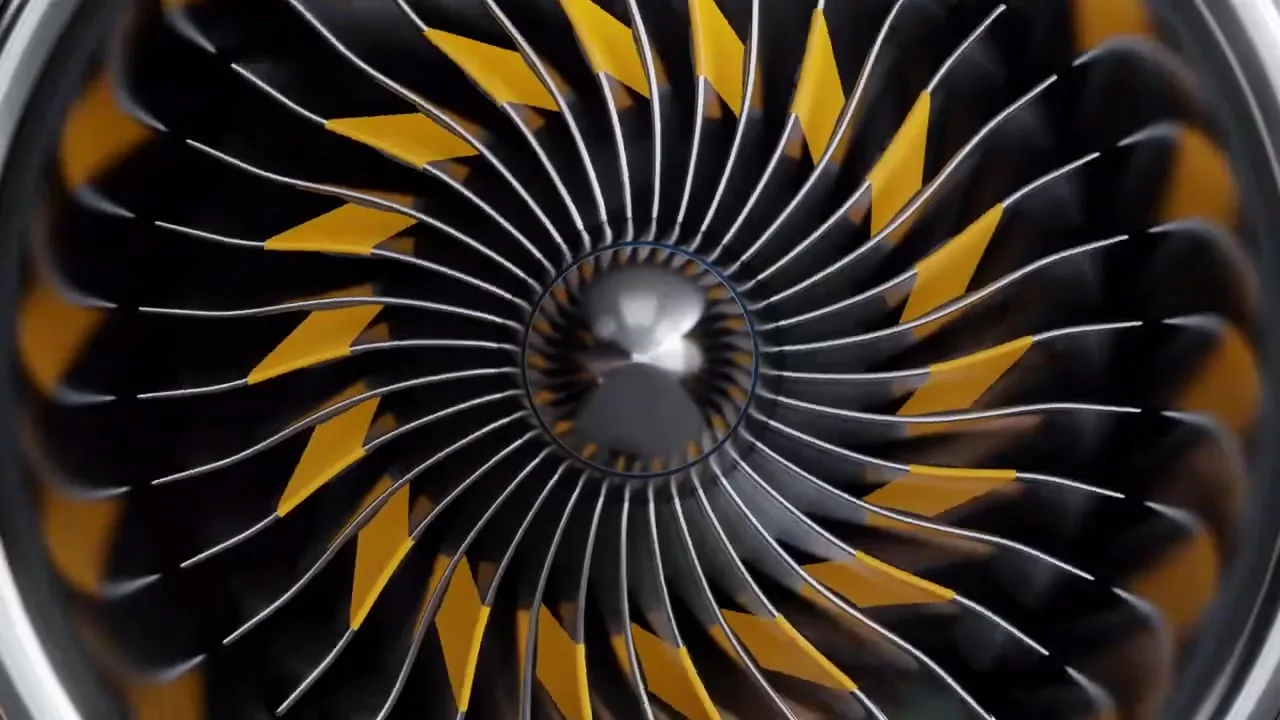
Set the operating boundary
Define the heat source, protected objective, temperature profile, exposure duration and operating environment.
Microporous insulation and thermal protection engineering
Siltherm engineers thin insulation around the heat path. The portfolio covers industrial heat, temperature-controlled systems and passive protection.
Insulation routes
Choose your starting point
Compare formats by temperature and geometry, or explore insulation routes for your equipment and process.
Insulation portfolio
Different thermal duties need different product forms. Each route is built around the space the system can give us.
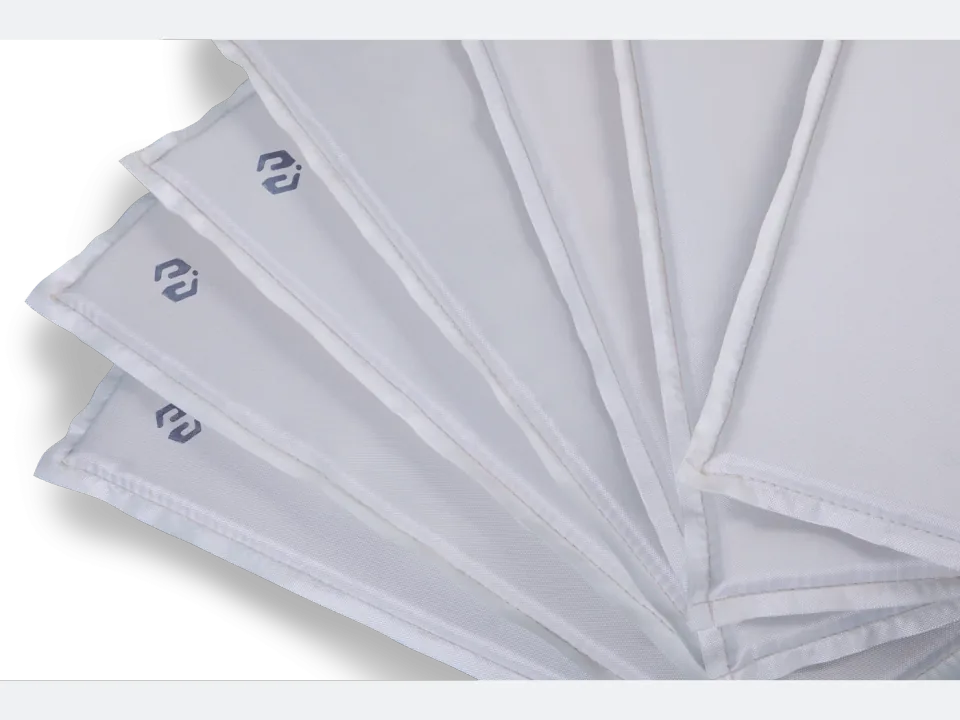
Rigid, flexible and formed formats that provide high thermal resistance in limited space.
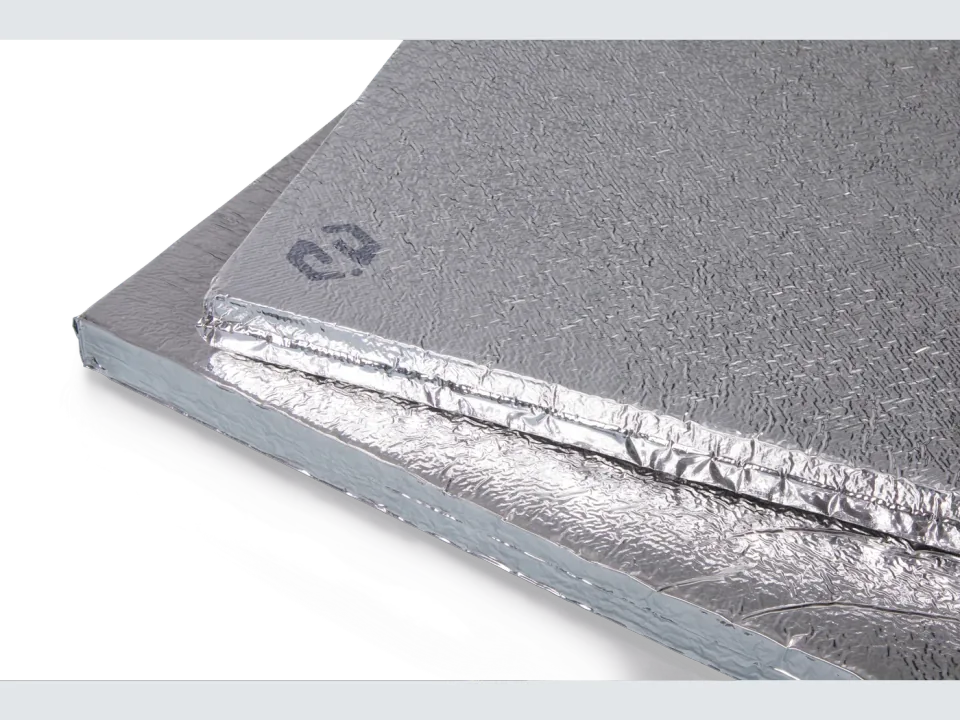
Slim core and finished-panel options for cold-chain, appliance, transport and building applications.
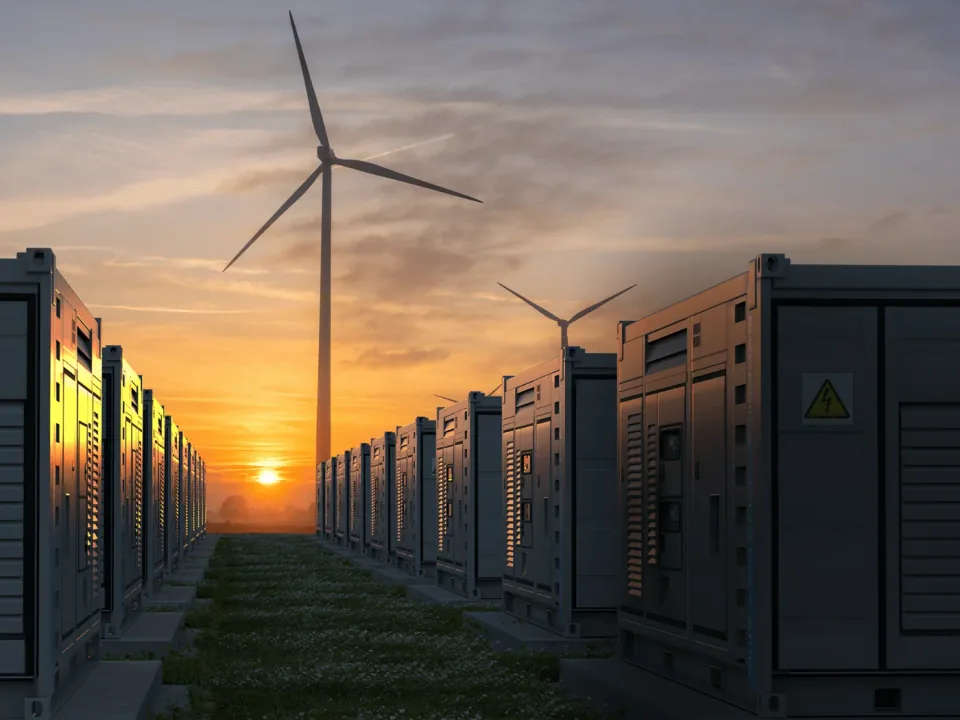
Product architecture, covering and geometry developed for the required thermal and installation boundary.
Application routes
Start with where the heat moves and what the system must protect. The right product route follows from that boundary.
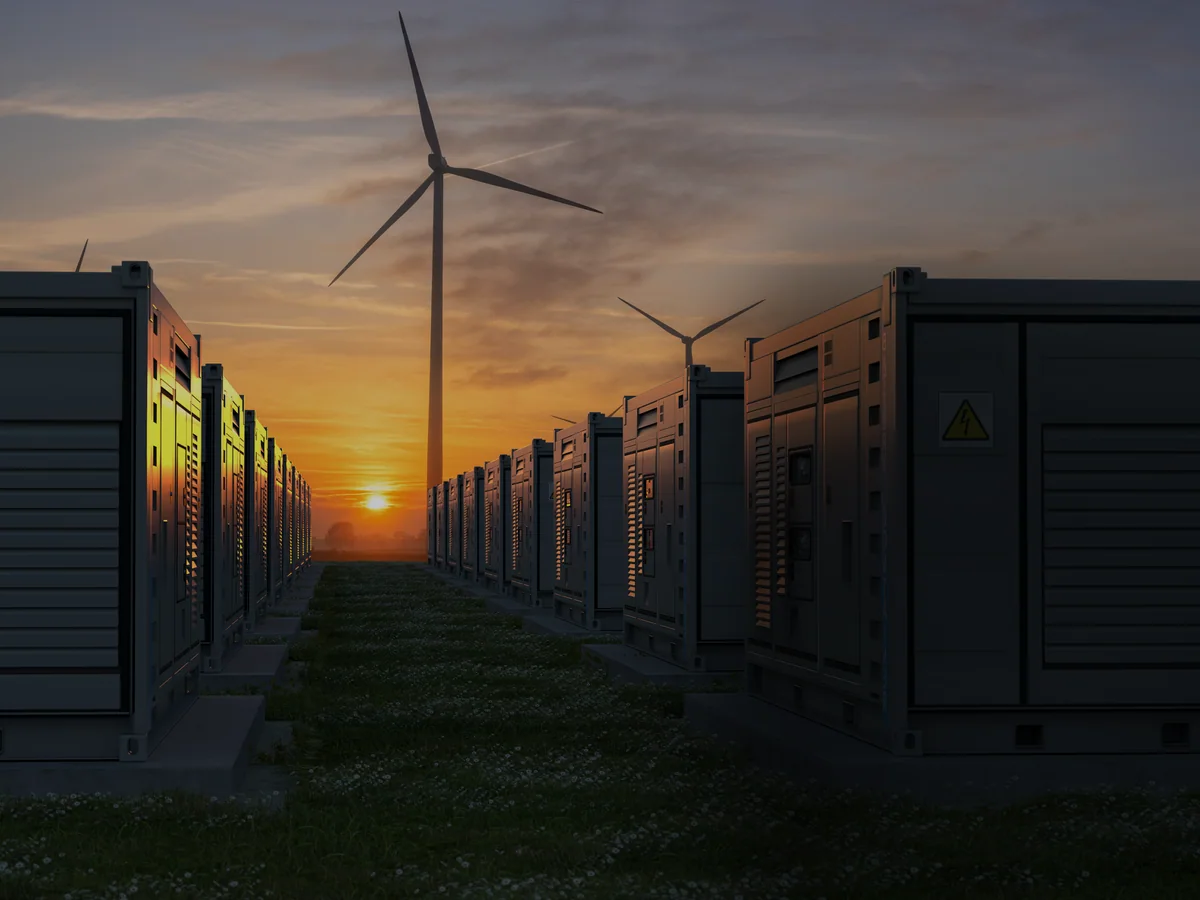
Thin thermal barriers across cell, module, pack and enclosure heat paths.
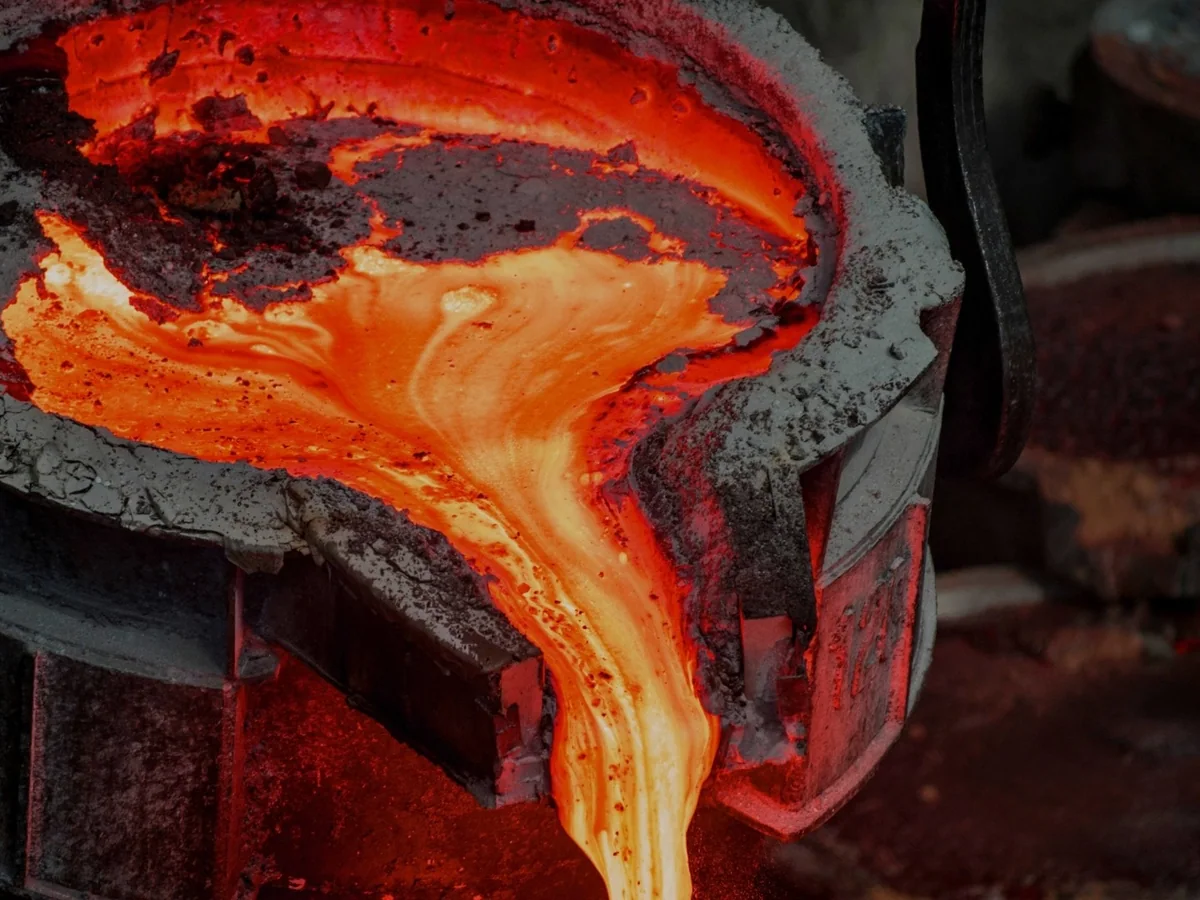
Space-efficient insulation for metals, glass, furnaces and process piping.
Compact thermal resistance where usable space, protection and condensation control matter.
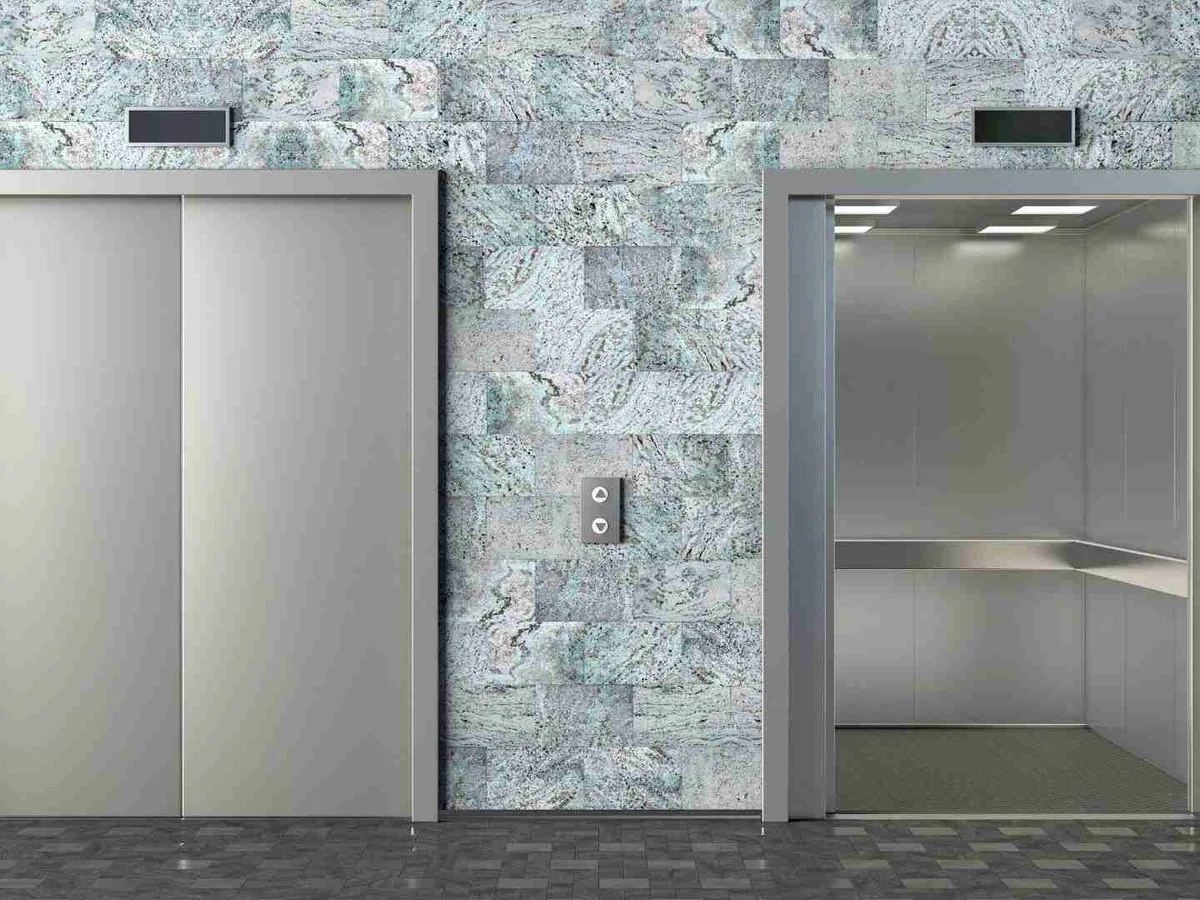
Thin insulation formats for elevator doors, equipment and defined fire-rated assemblies.
Define the heat source, protected objective, temperature profile, exposure duration and operating environment.
Map conduction, radiation, convection and thermal bridges across the complete assembly.
Match temperature, thickness, geometry, handling, covering and surrounding material requirements.
Review the relevant product data, test method, configuration and application limits before specification.
Engineering insights
Focused articles on heat transfer, material selection and application boundaries for engineering teams.
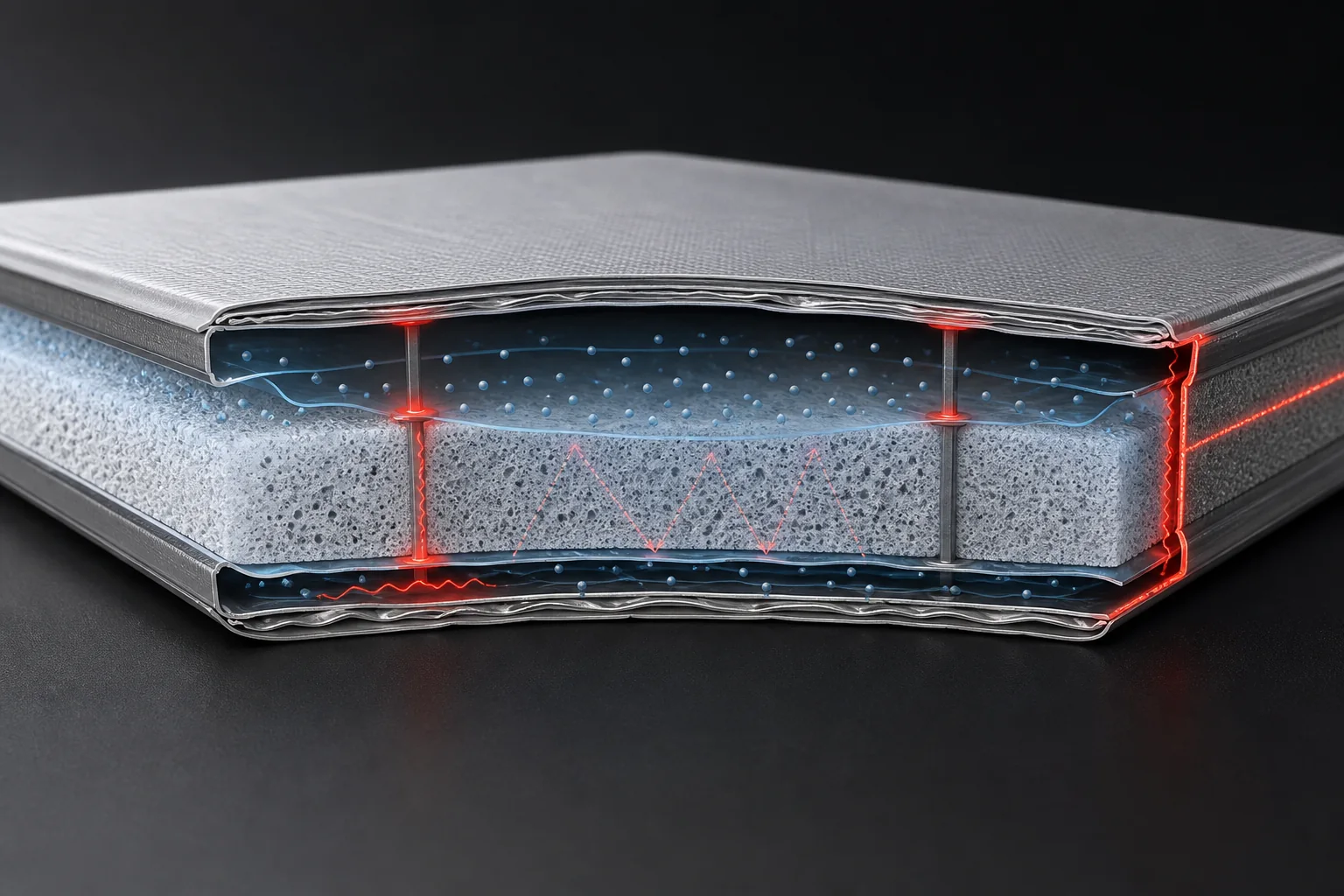 Vacuum insulation / heat path
See how vacuum, core material, barrier film and panel integration influence performance and usable space.
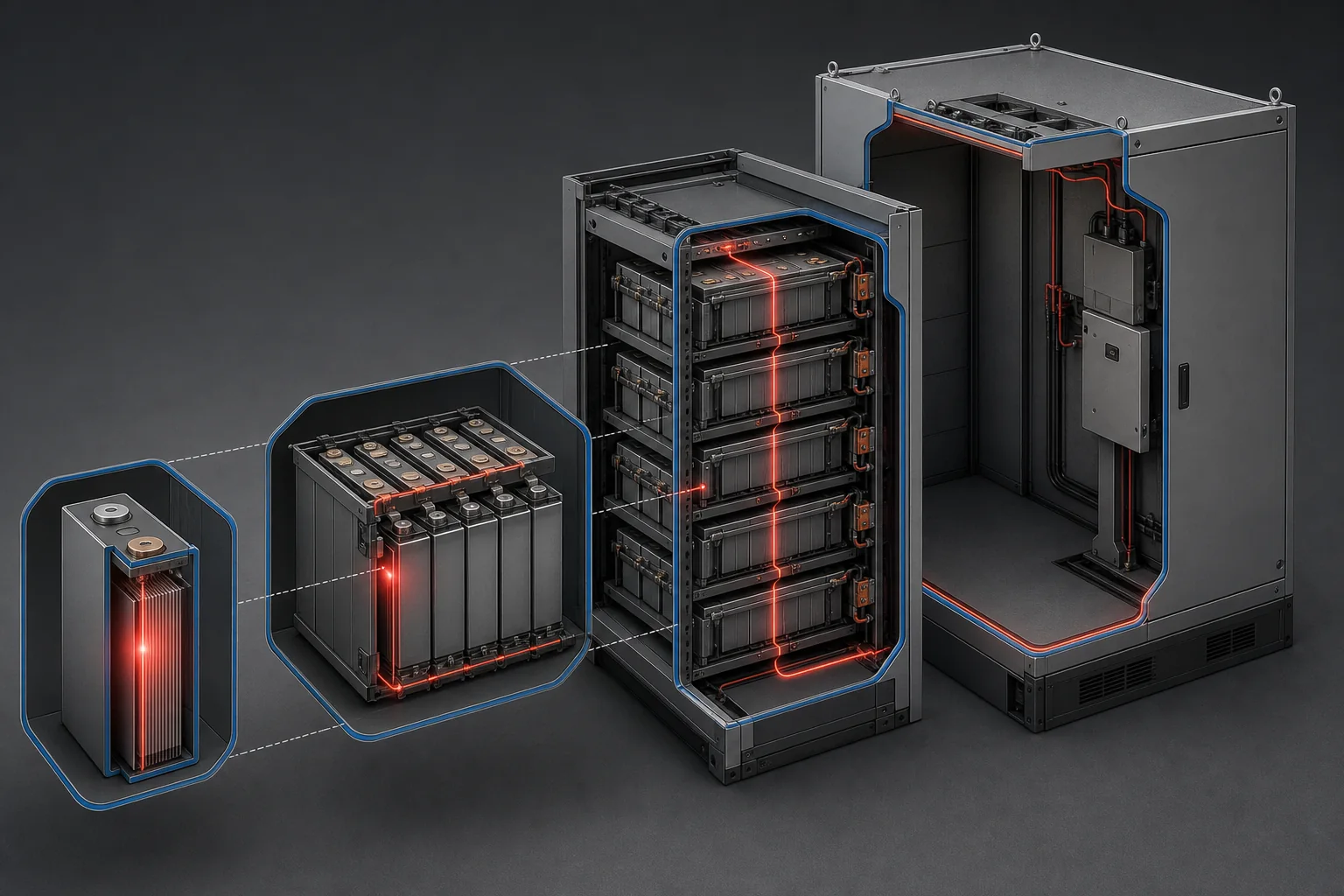
Frame passive protection around cell-to-cell, module and enclosure heat paths.

Compare rigid, flexible and shaped formats against geometry, handling and thermal duty.
Start a technical conversation
Tell us where the heat comes from, what must be protected and how much room is available. We will suggest the most relevant starting point.
Discuss your applicationPlease keep the first enquiry non-confidential. A Siltherm specialist will follow up with the relevant product information.