
Siltherm Insights
All InsightsArticles
Clear technical explainers and practical application guides.
Published articles
Latest from Siltherm.

Hybrid data centres still need a clear air path
In a mixed air/liquid data hall, define the remaining air path before choosing containment and passive insulation.
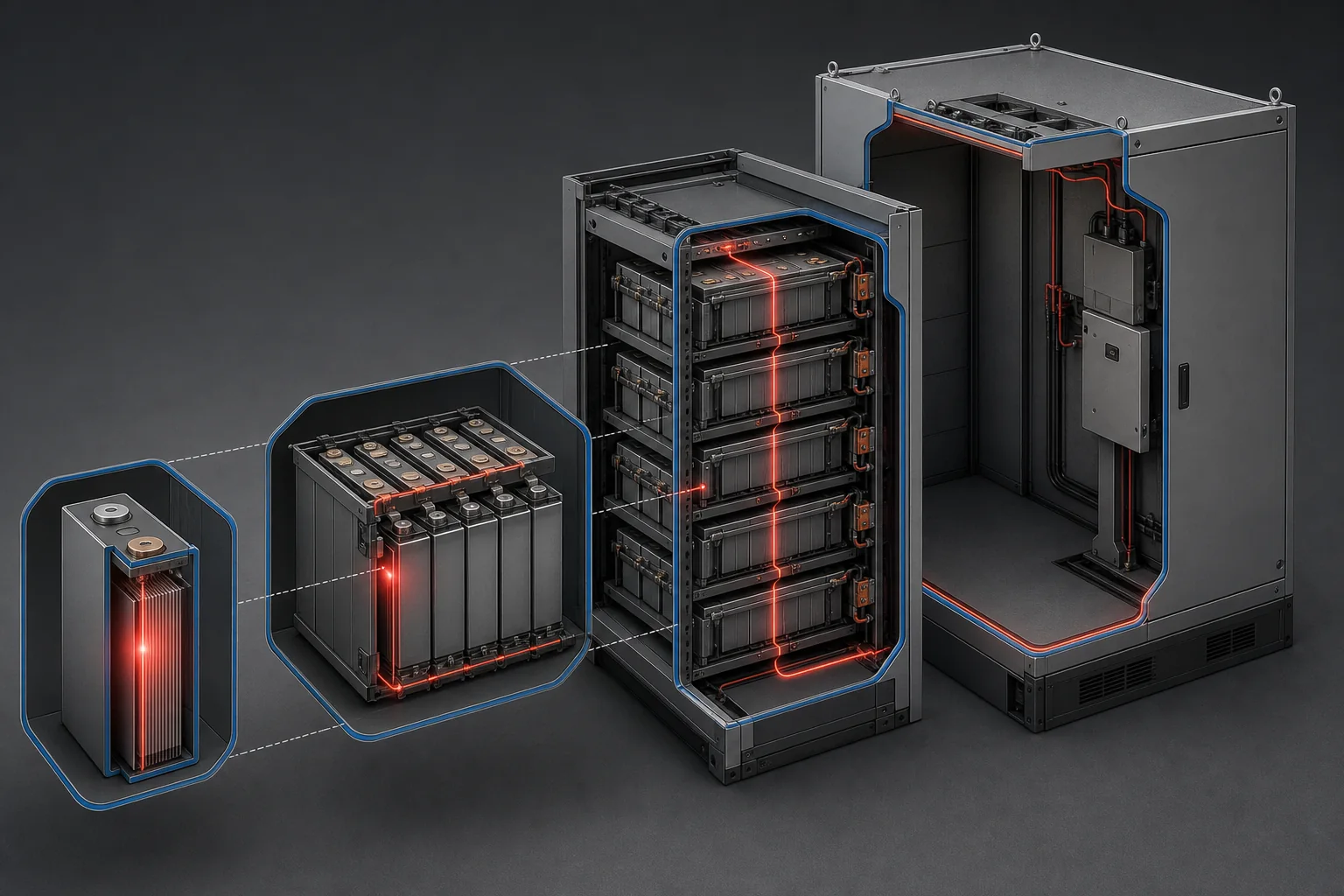
Giving heat fewer routes through a battery storage system
Passive barriers can limit heat transfer between battery components when their position and construction match the exposure they must withstand.
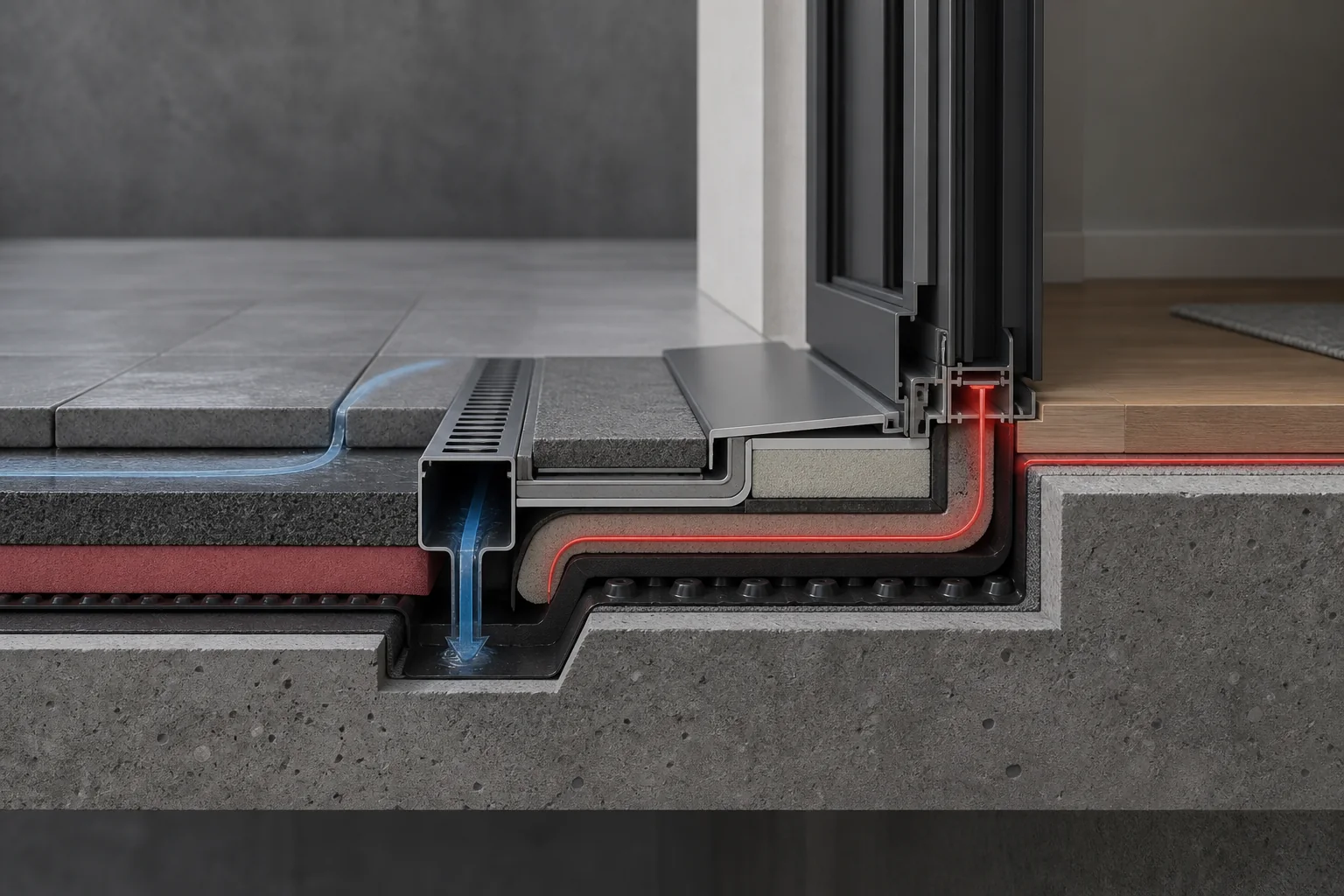
Making room for insulation beneath a terrace threshold
At a terrace doorway, thin insulation can ease the competition for depth between thermal protection, drainage and the finished surface.
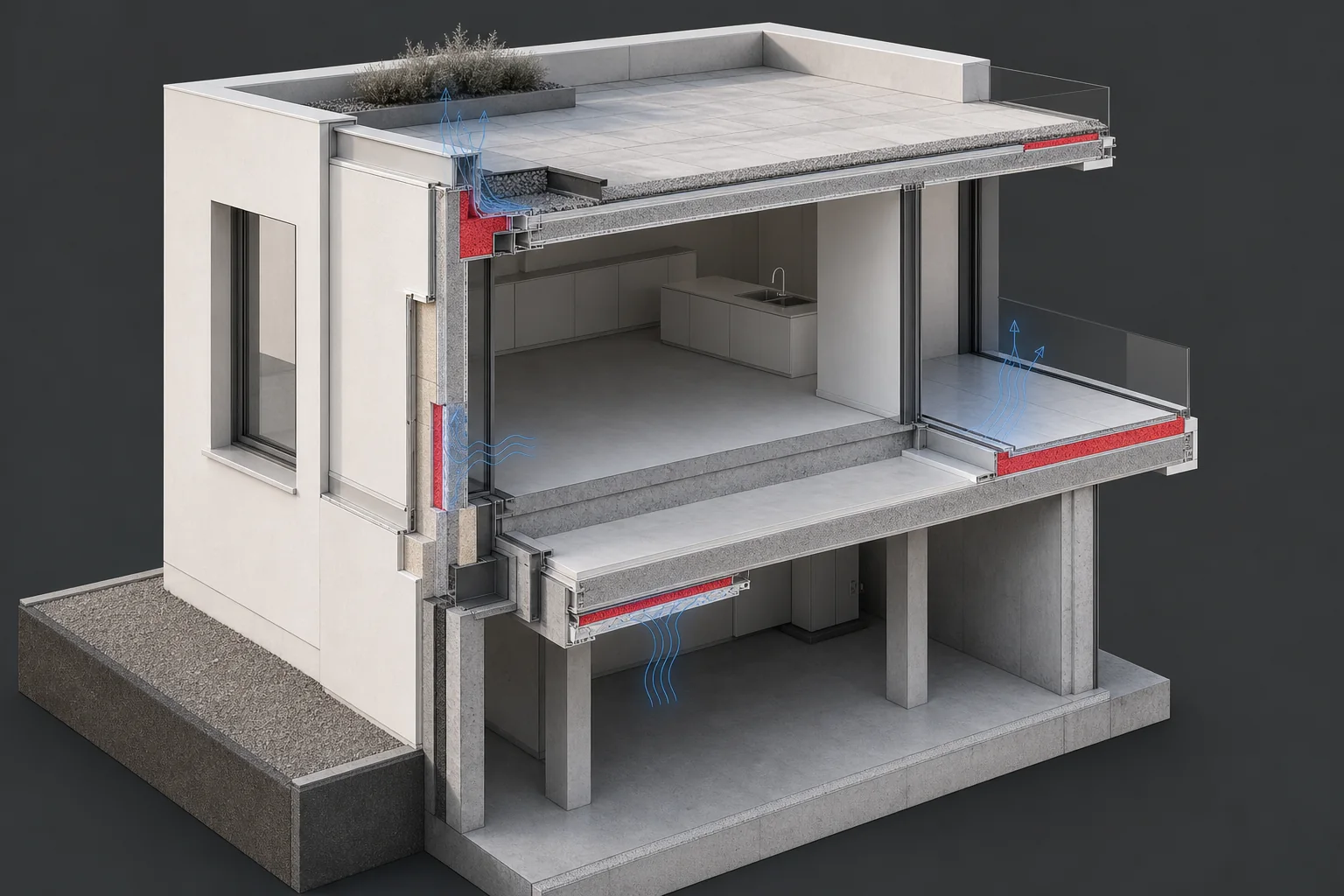
Finding room for insulation in a building that cannot grow
Vacuum insulation is particularly relevant where floor levels, roof junctions or usable space leave little room for a thicker build-up.
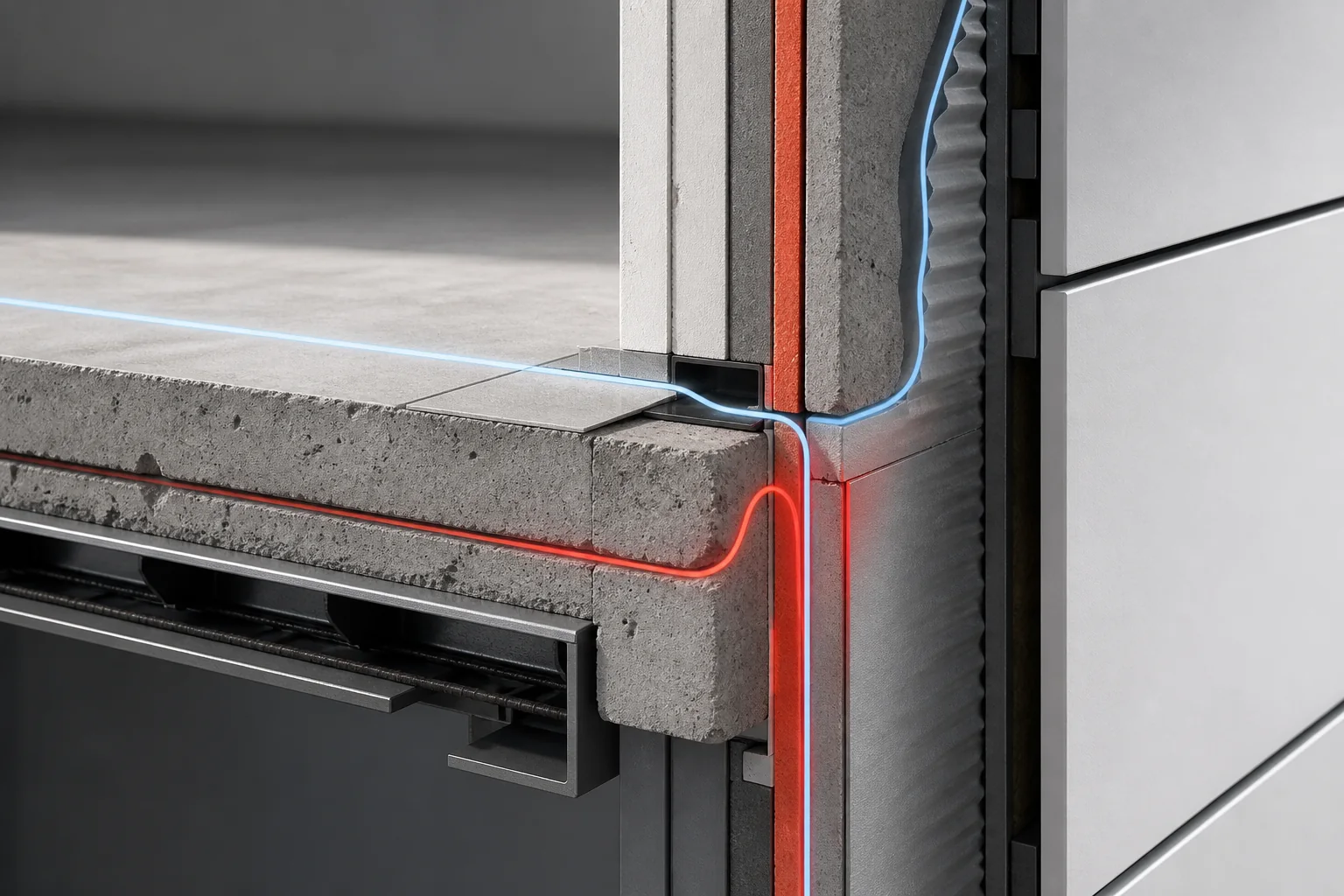
Why a well-insulated surface can still have a cold edge
Heat flow at joints and edges explains why improving the main insulation layer may leave a building detail unresolved.
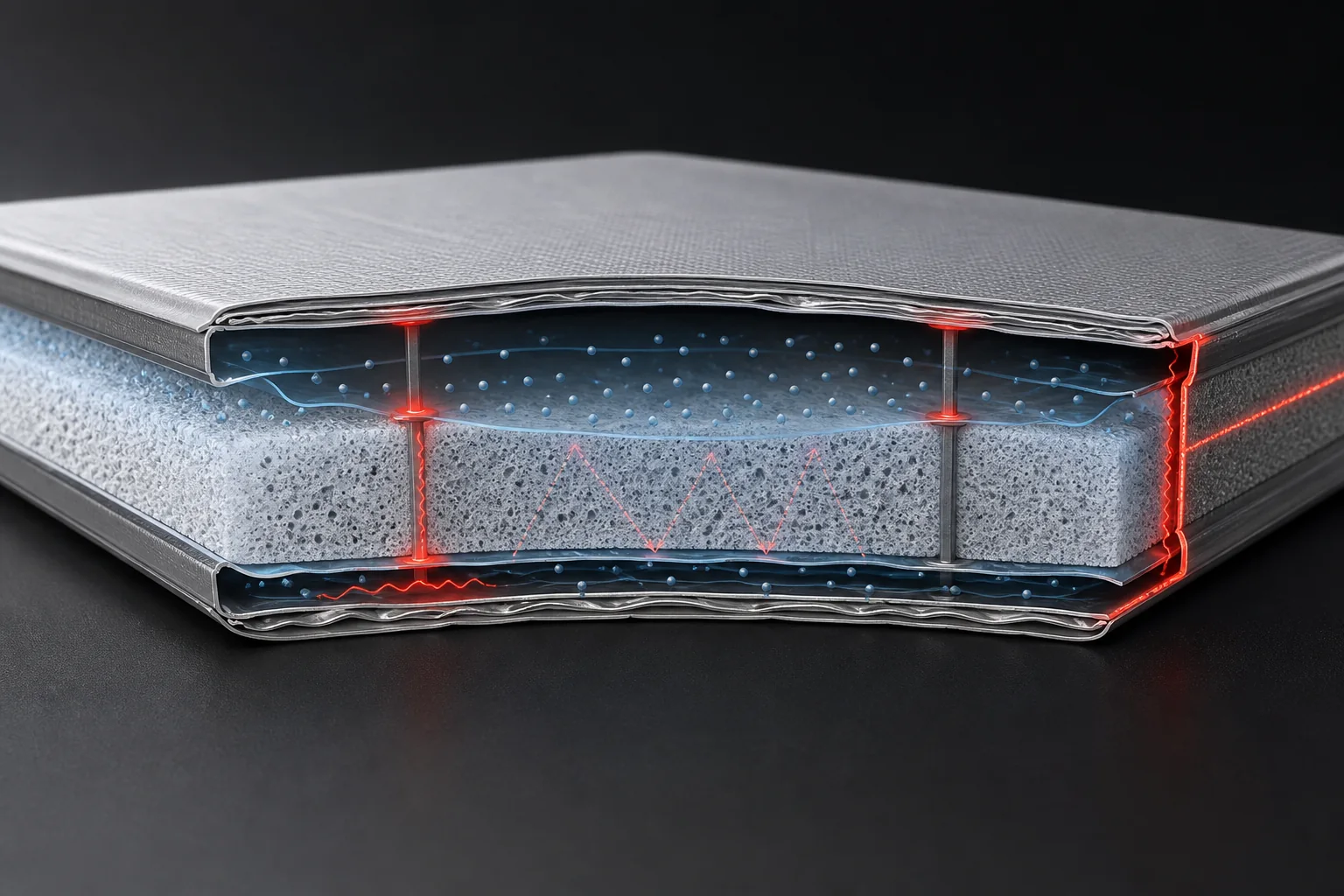
Why a thin vacuum panel can make an effective thermal barrier
Inside a vacuum insulation panel, the core and its sealed envelope work together to reduce heat flow within a limited thickness.
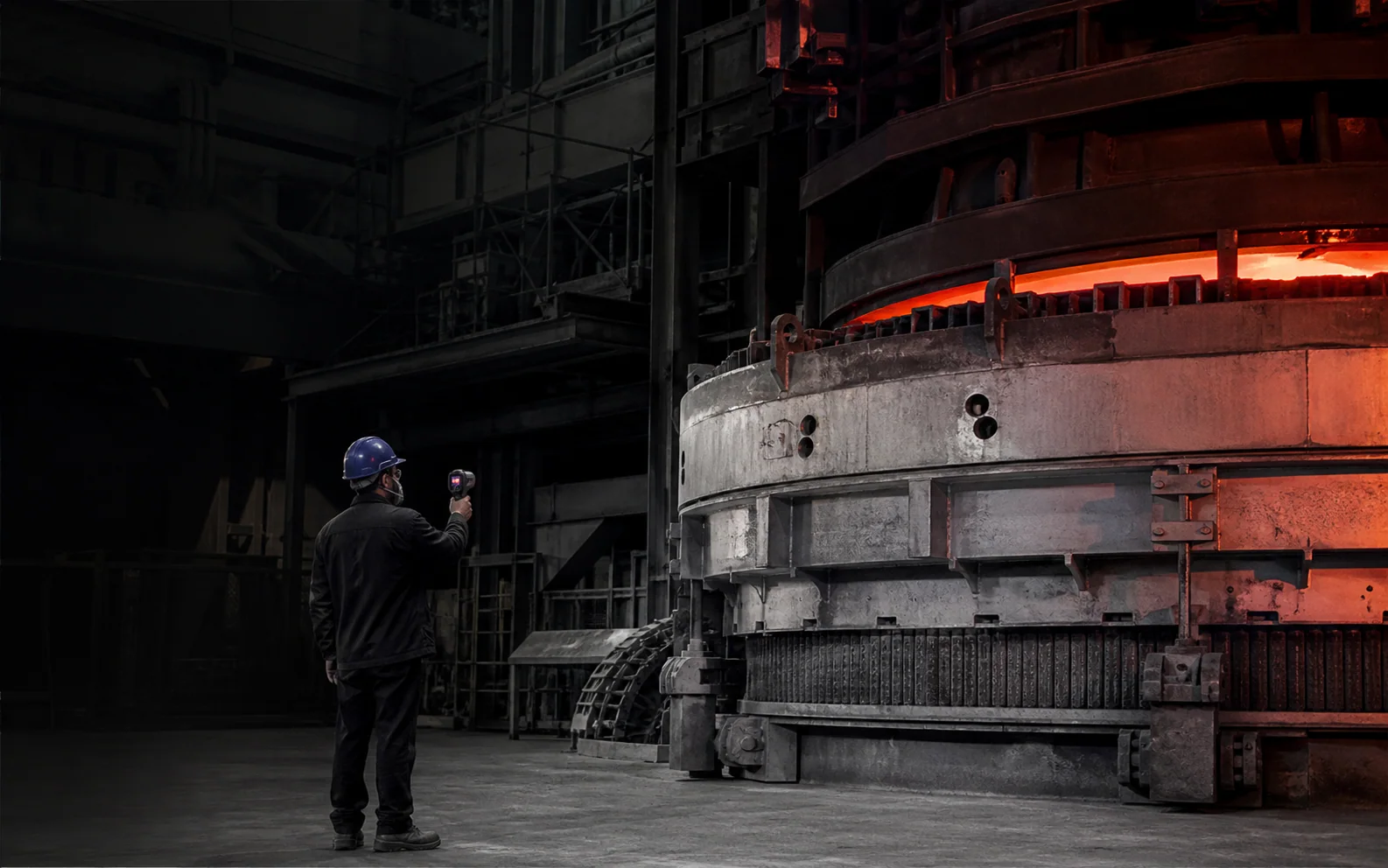
Reducing furnace heat loss when lining space is limited
A compact backup insulation layer can be useful in hot equipment, but its value depends on the temperatures and construction of the complete lining.

What the core contributes to a vacuum insulation panel
The silica-based core is both a thermal structure and a mechanical support, giving a vacuum panel more than an evacuated space.